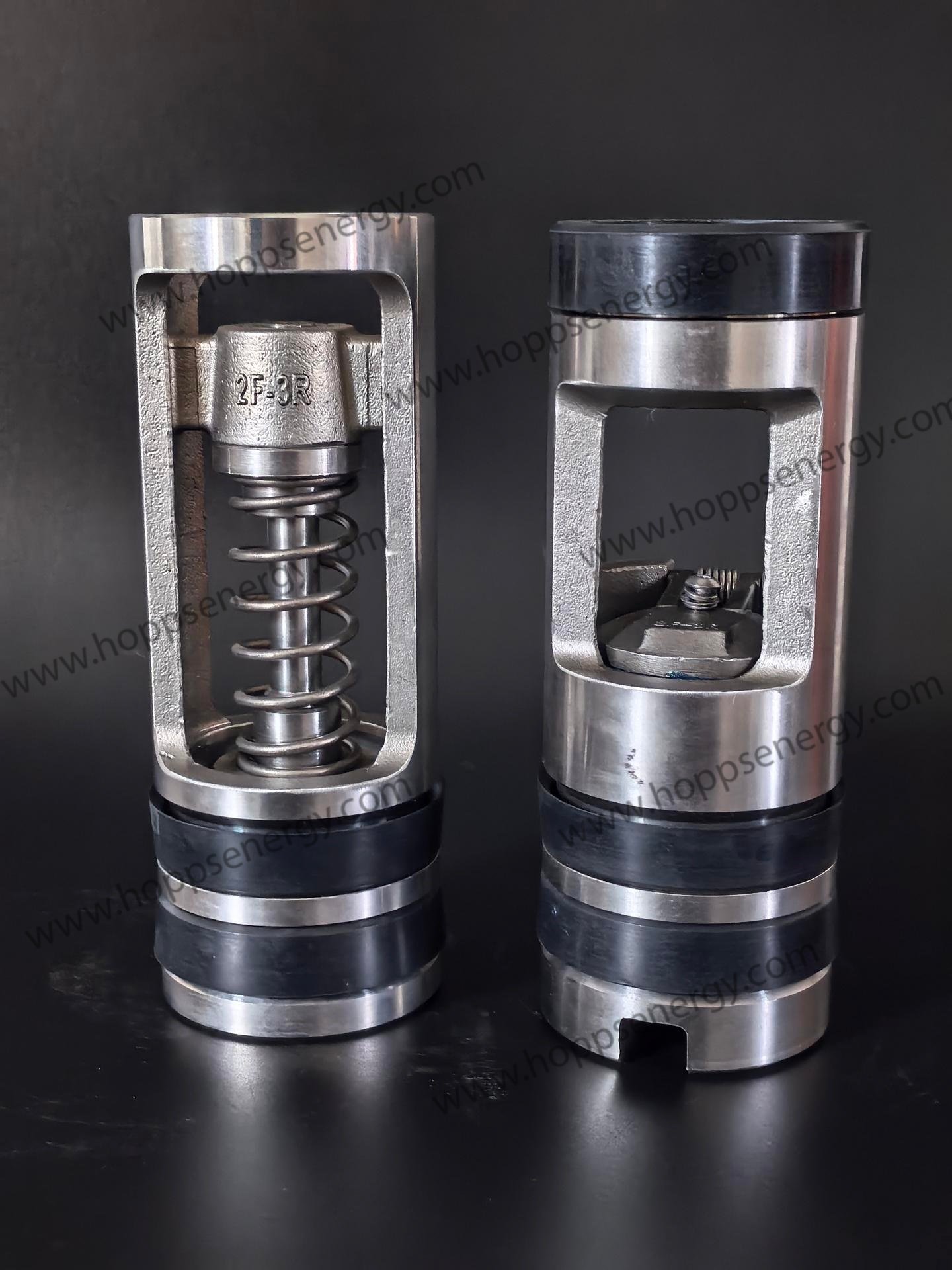
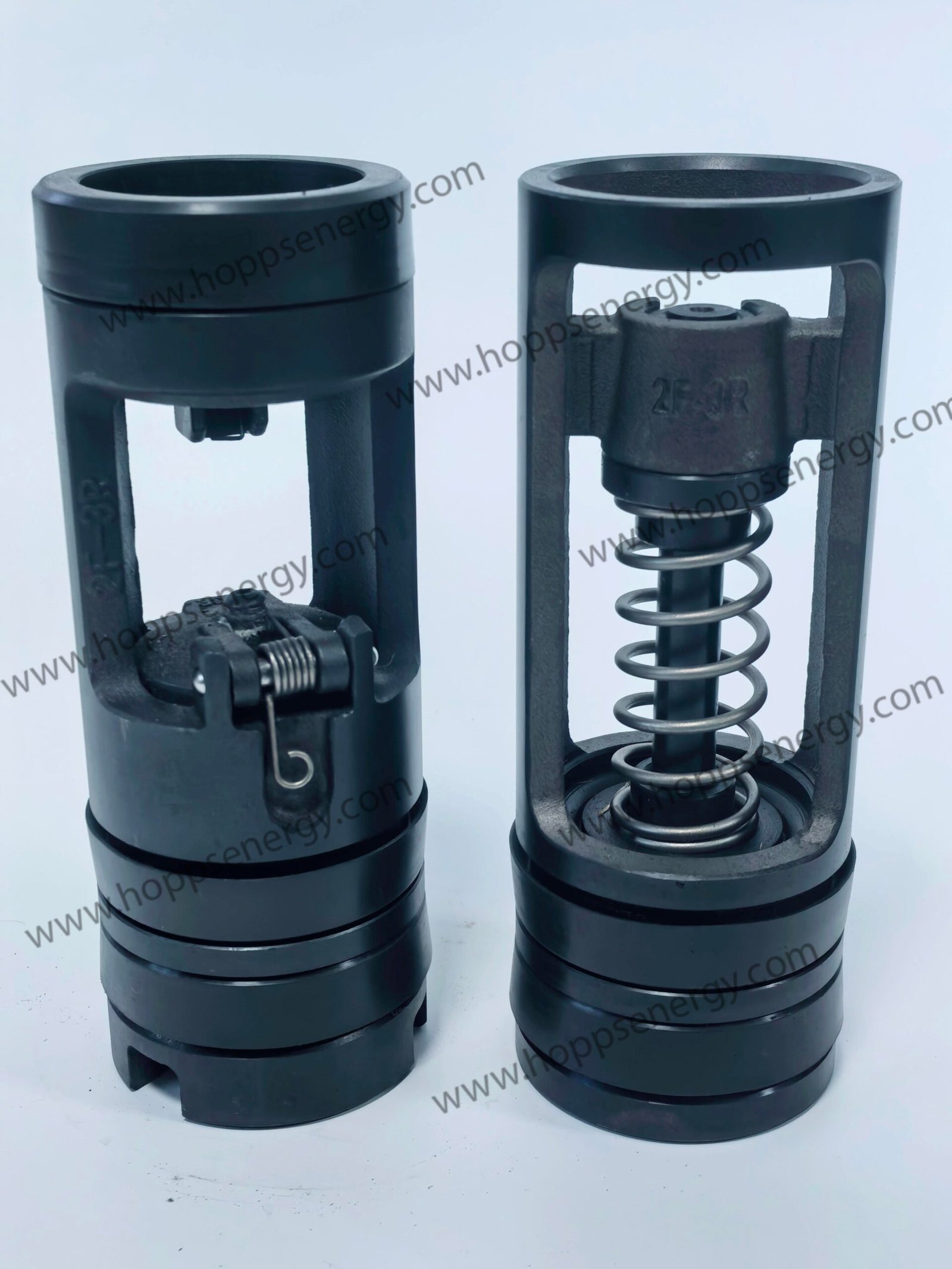
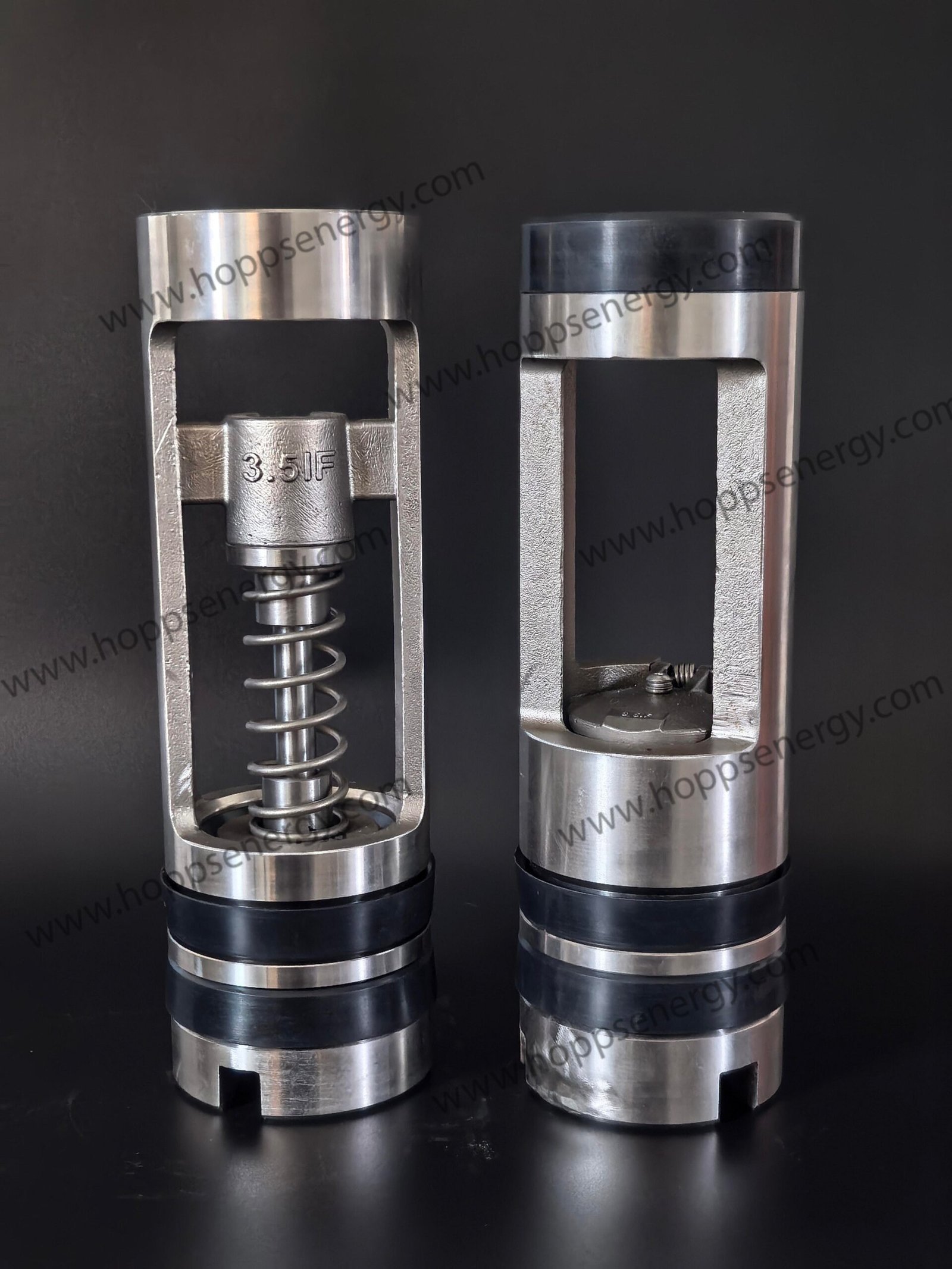
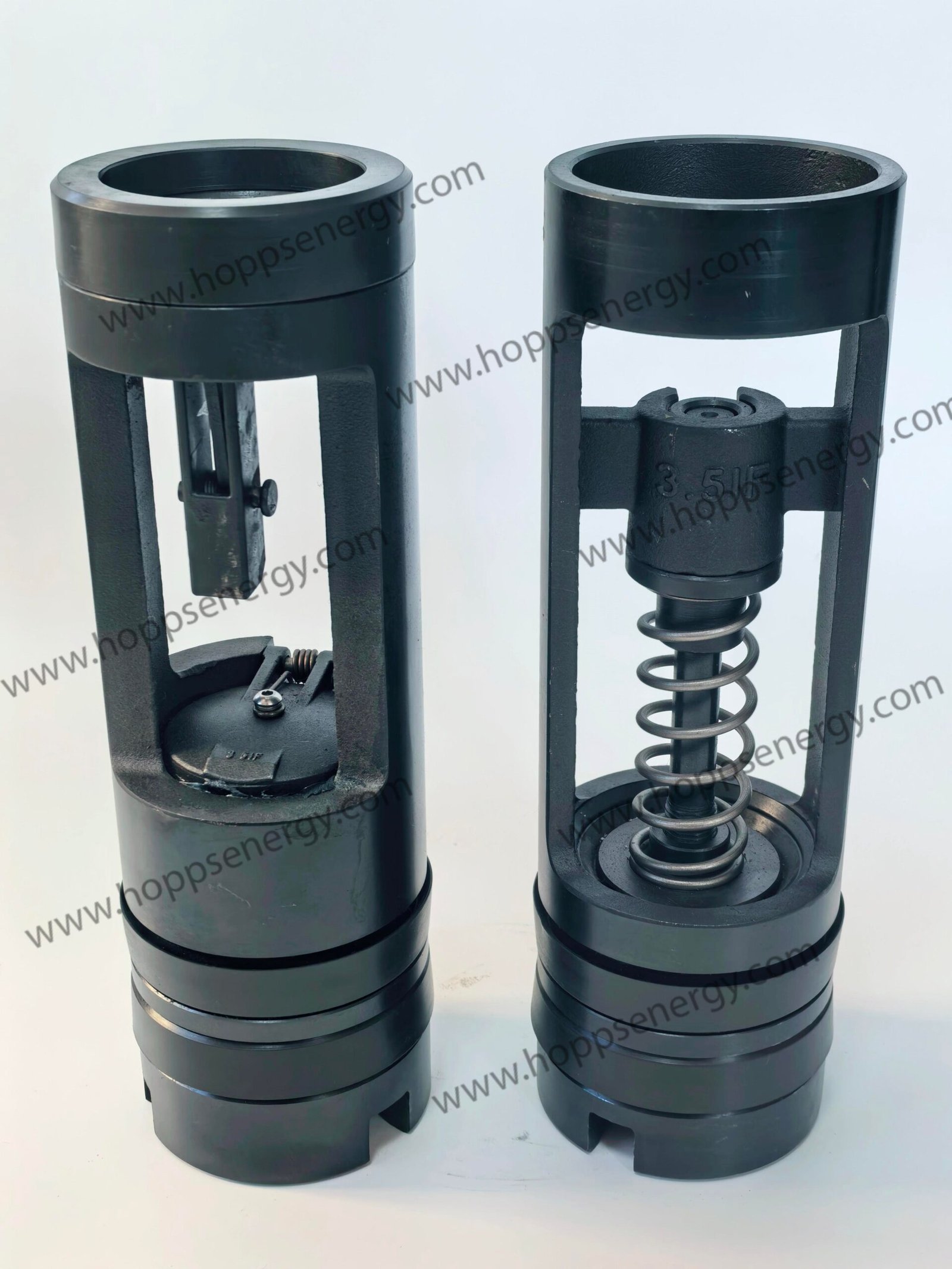
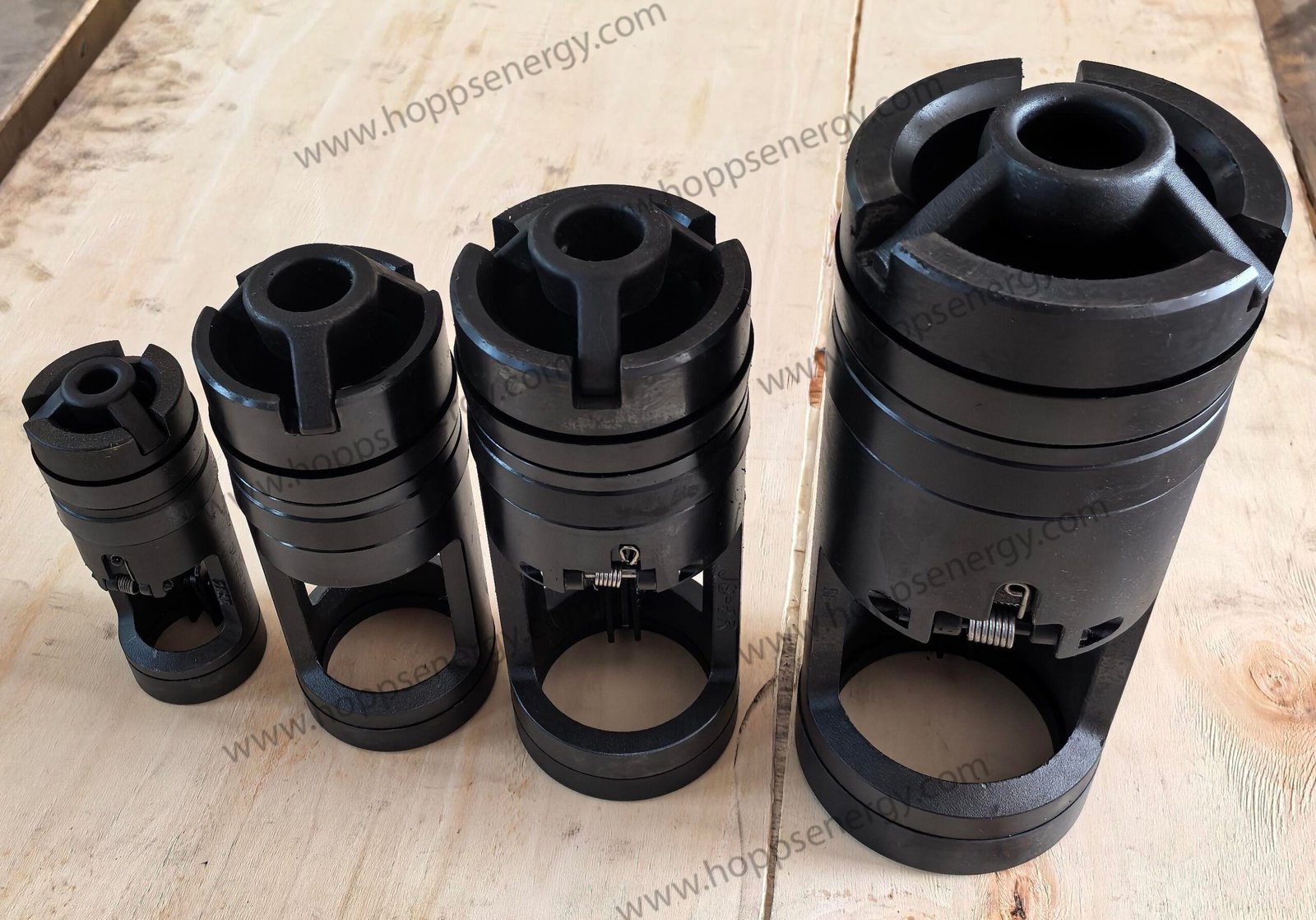
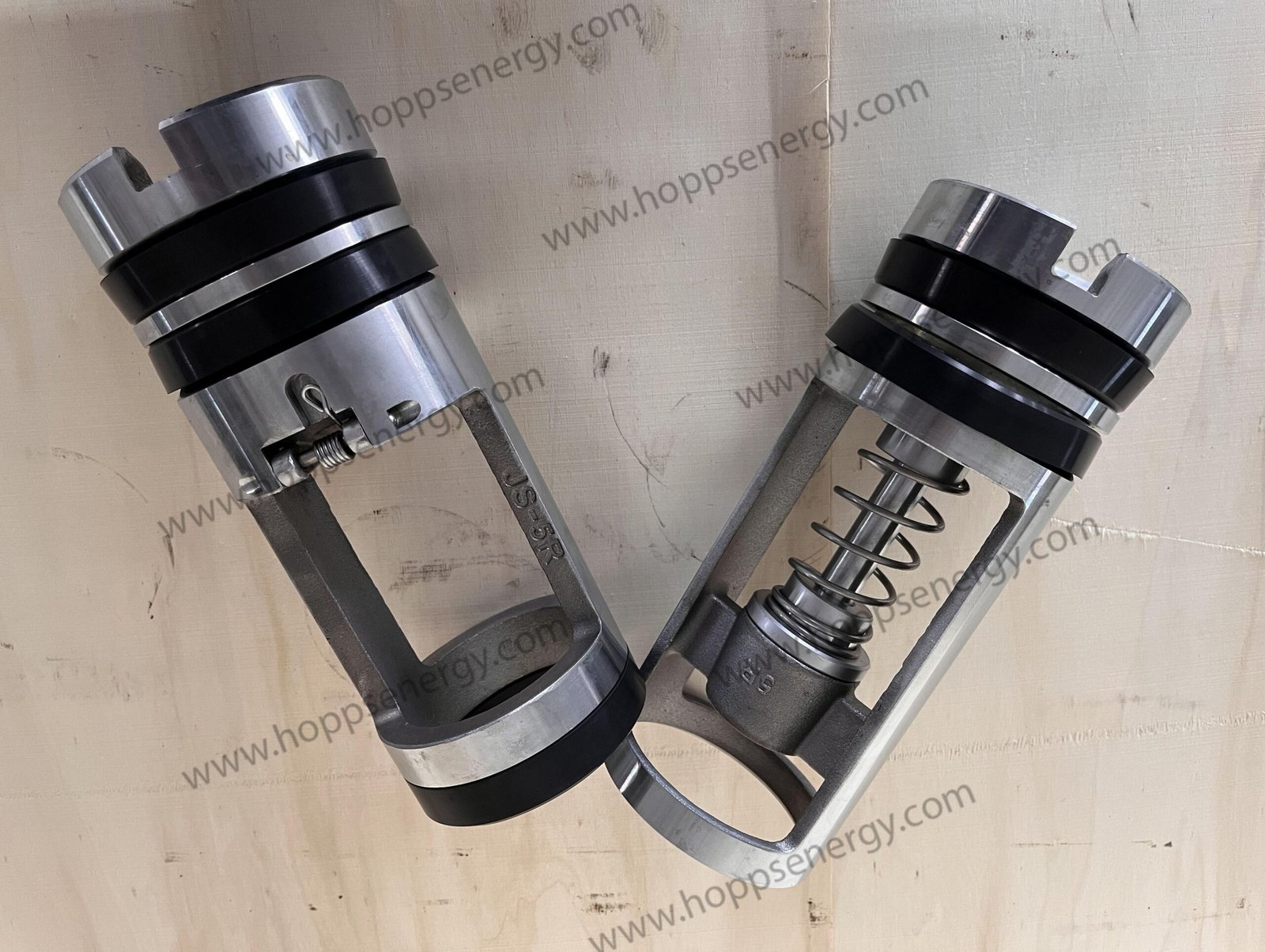
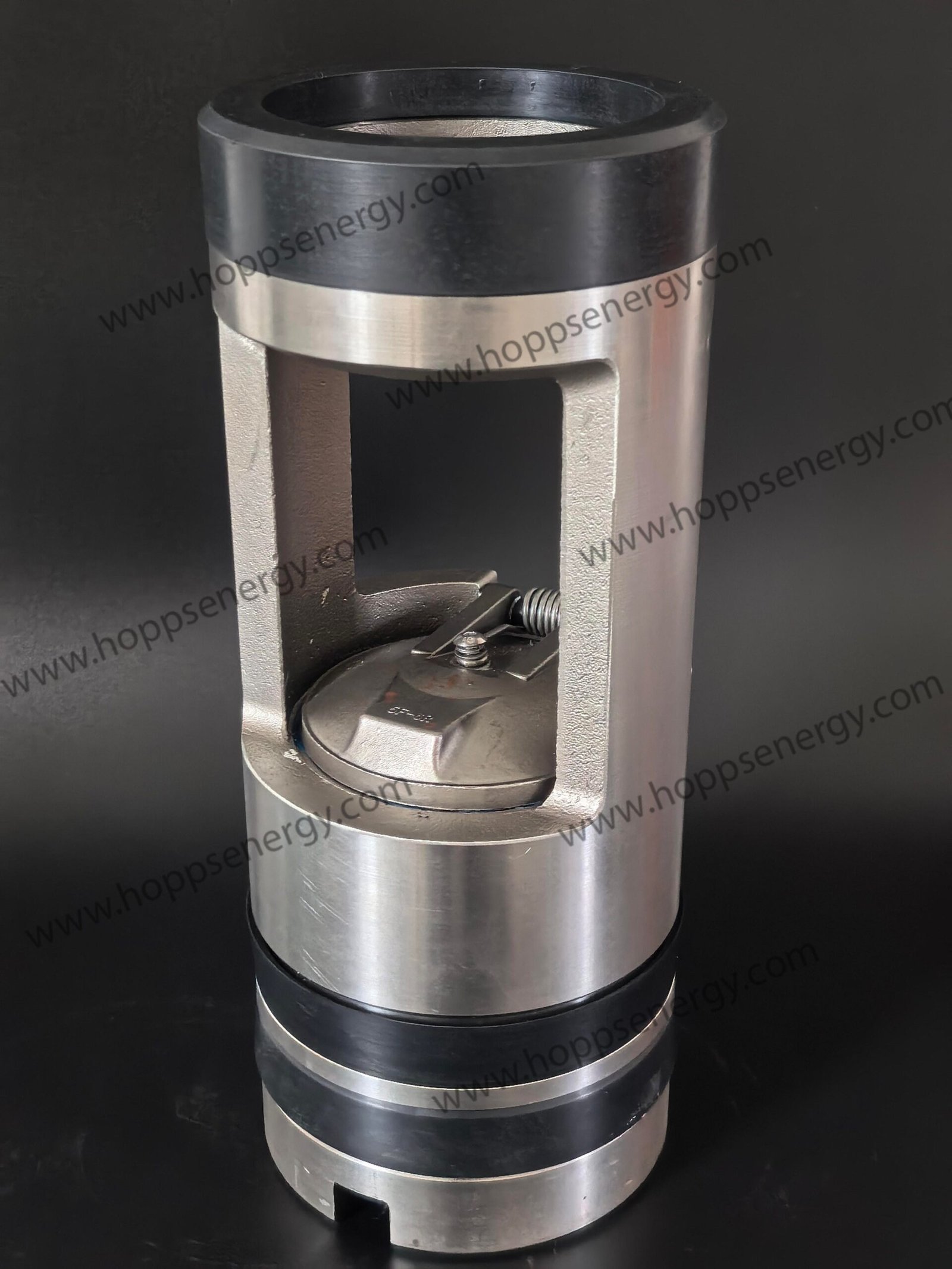
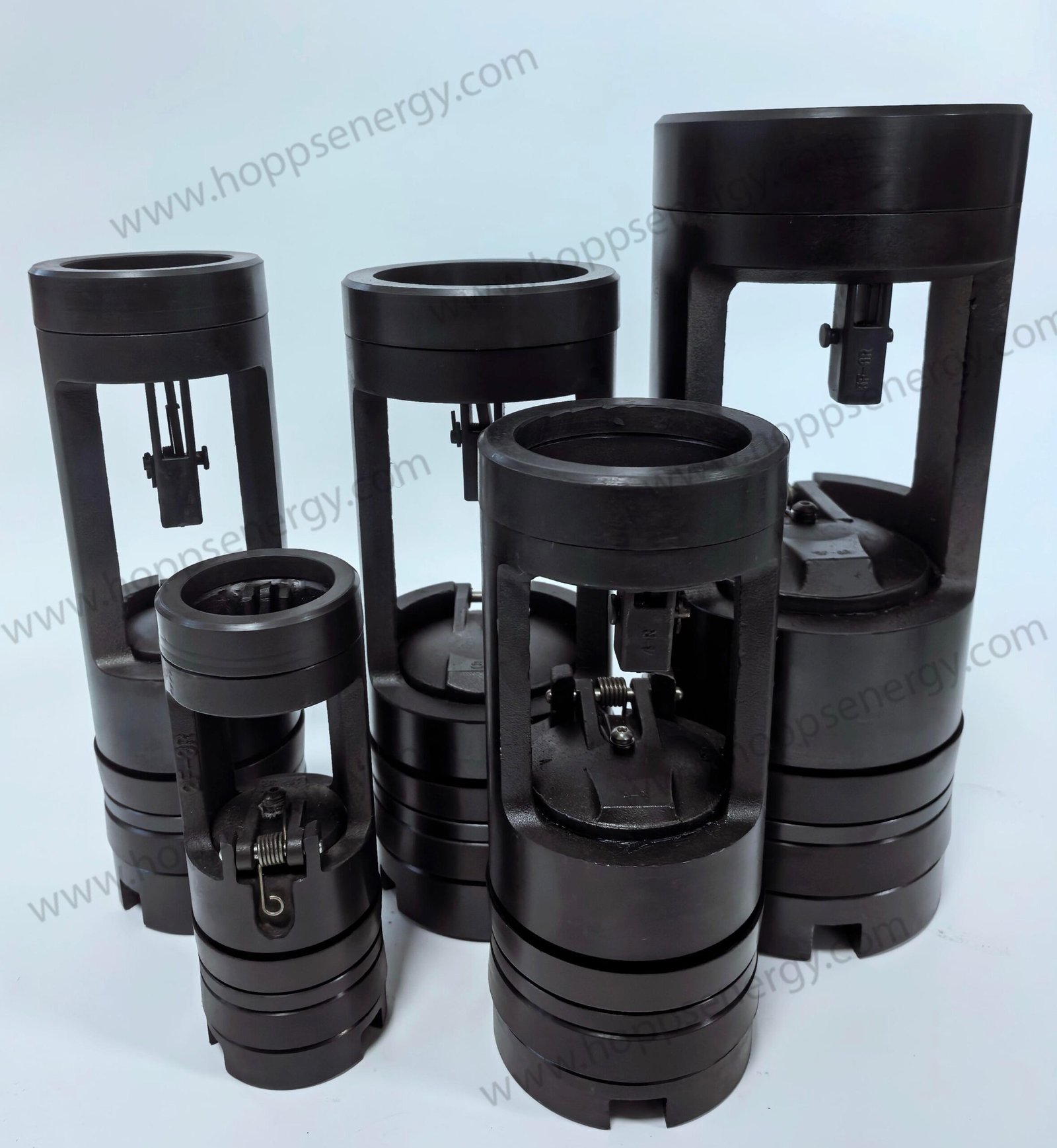
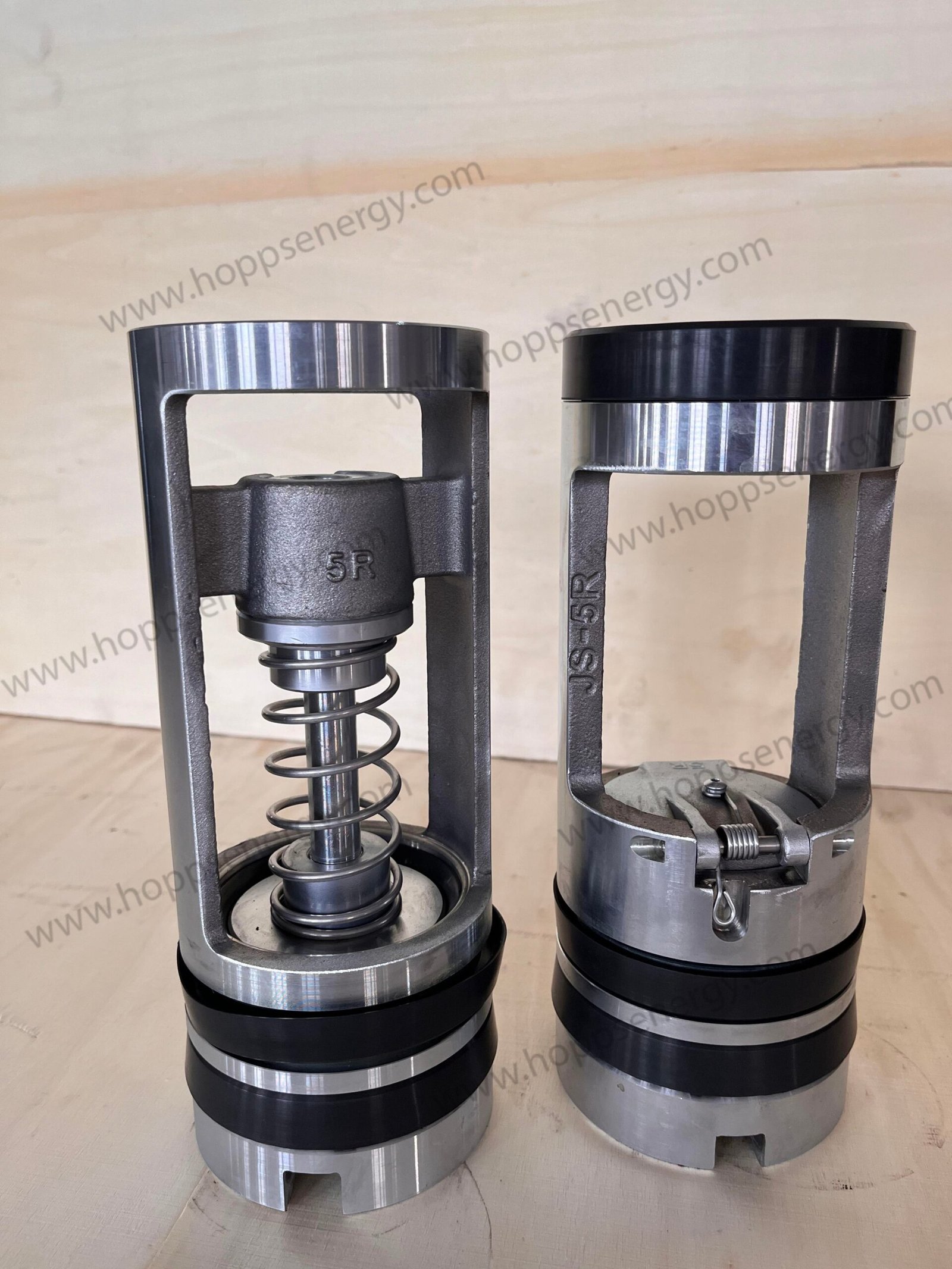
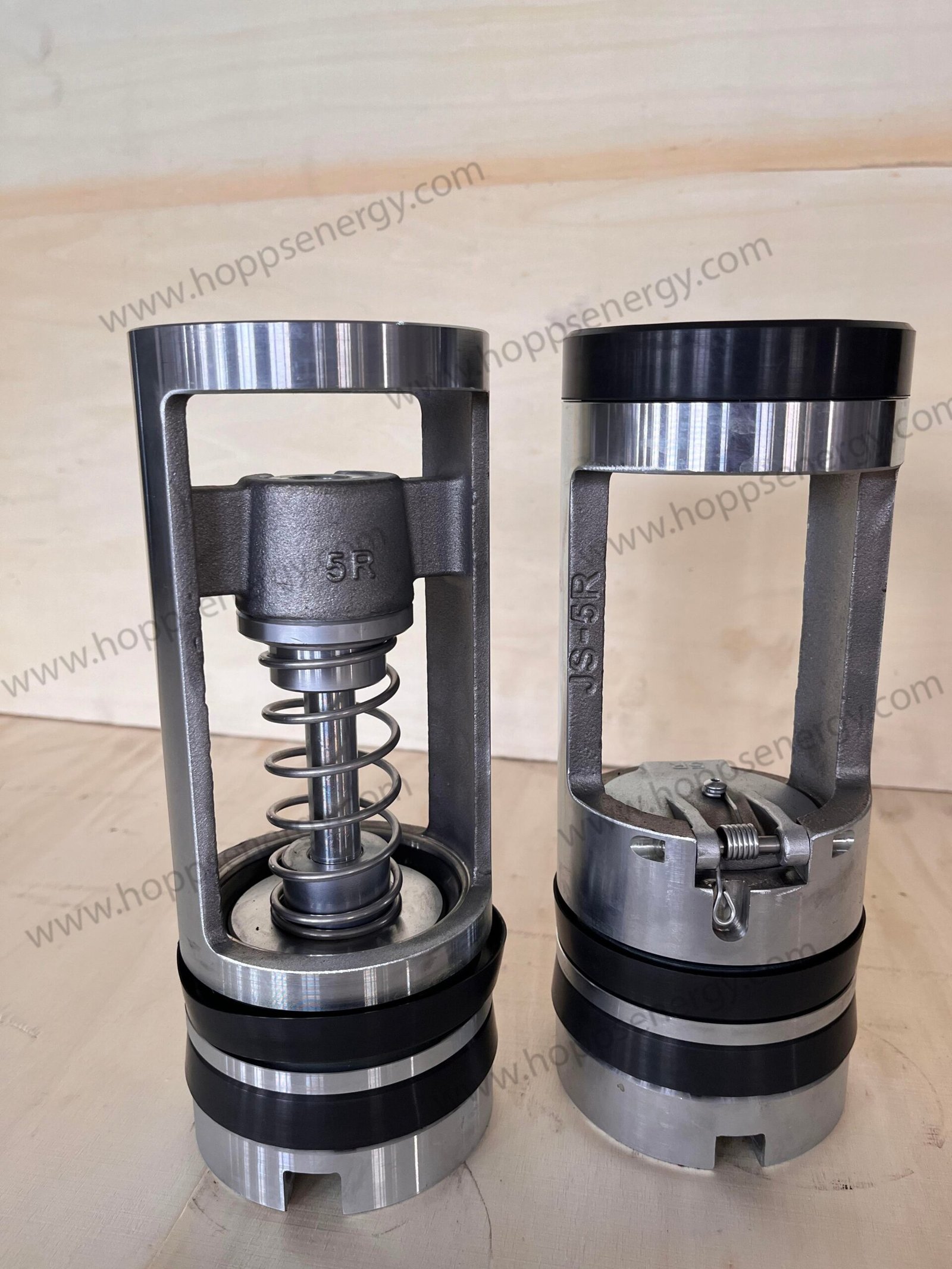
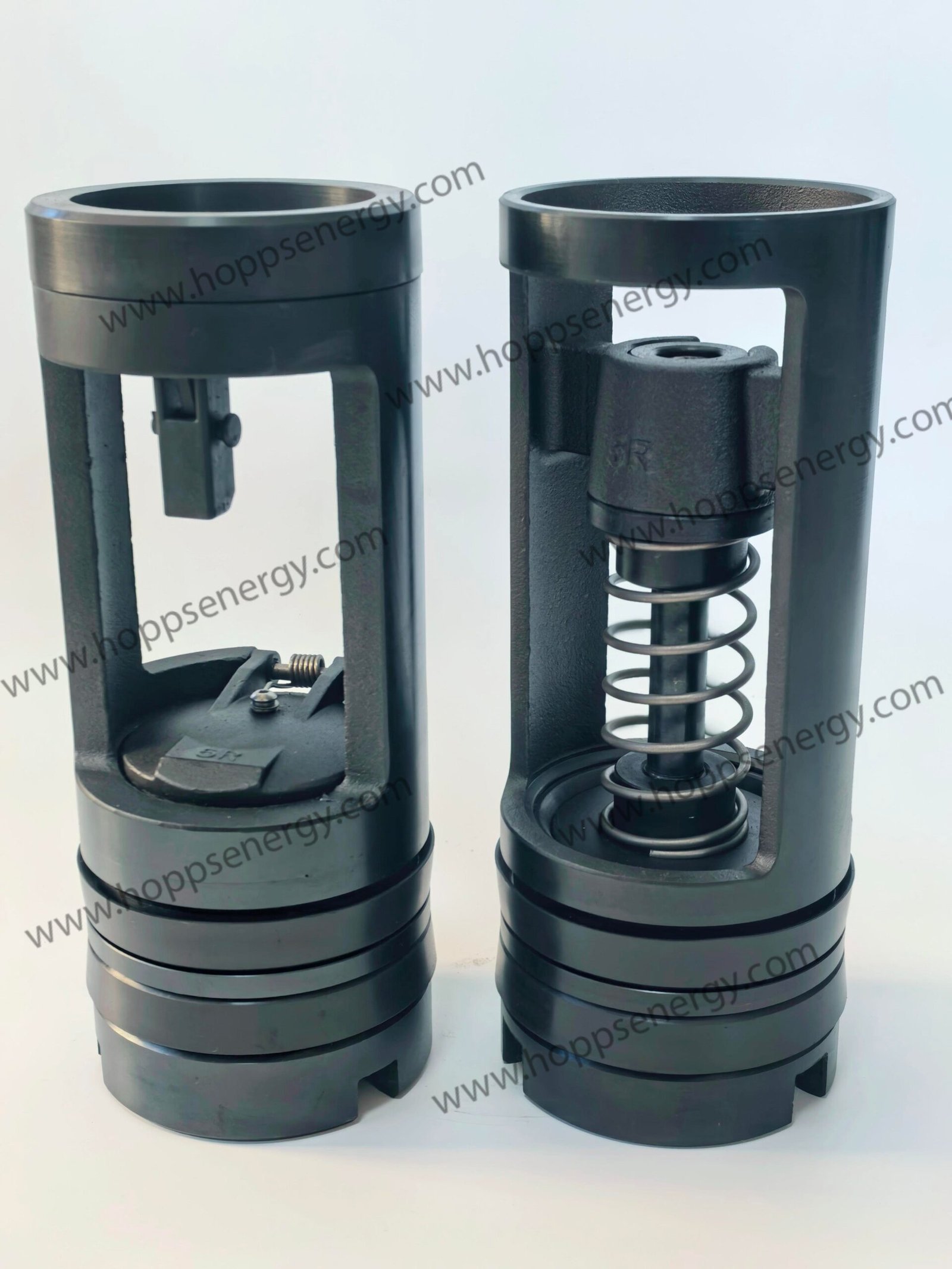
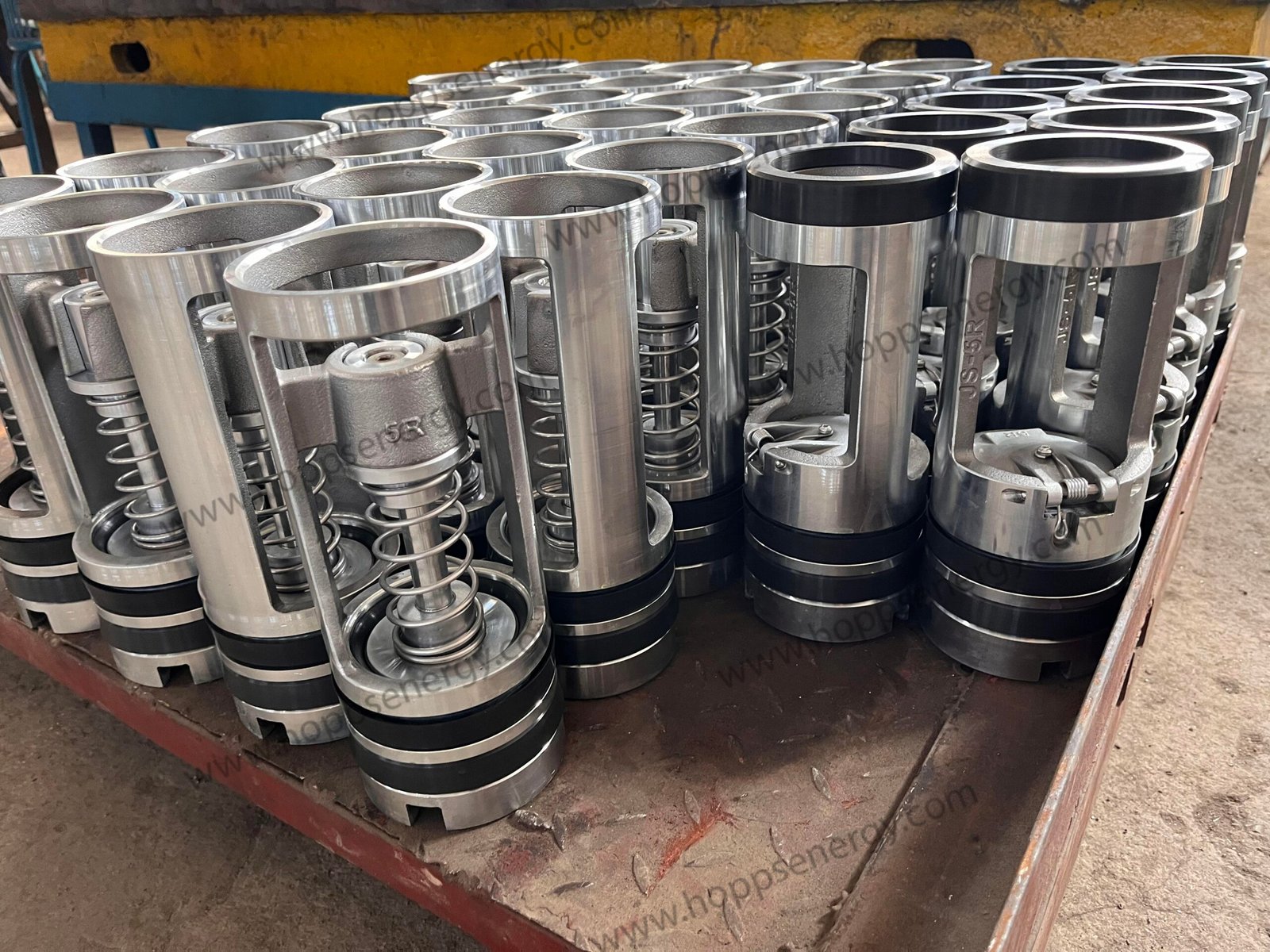
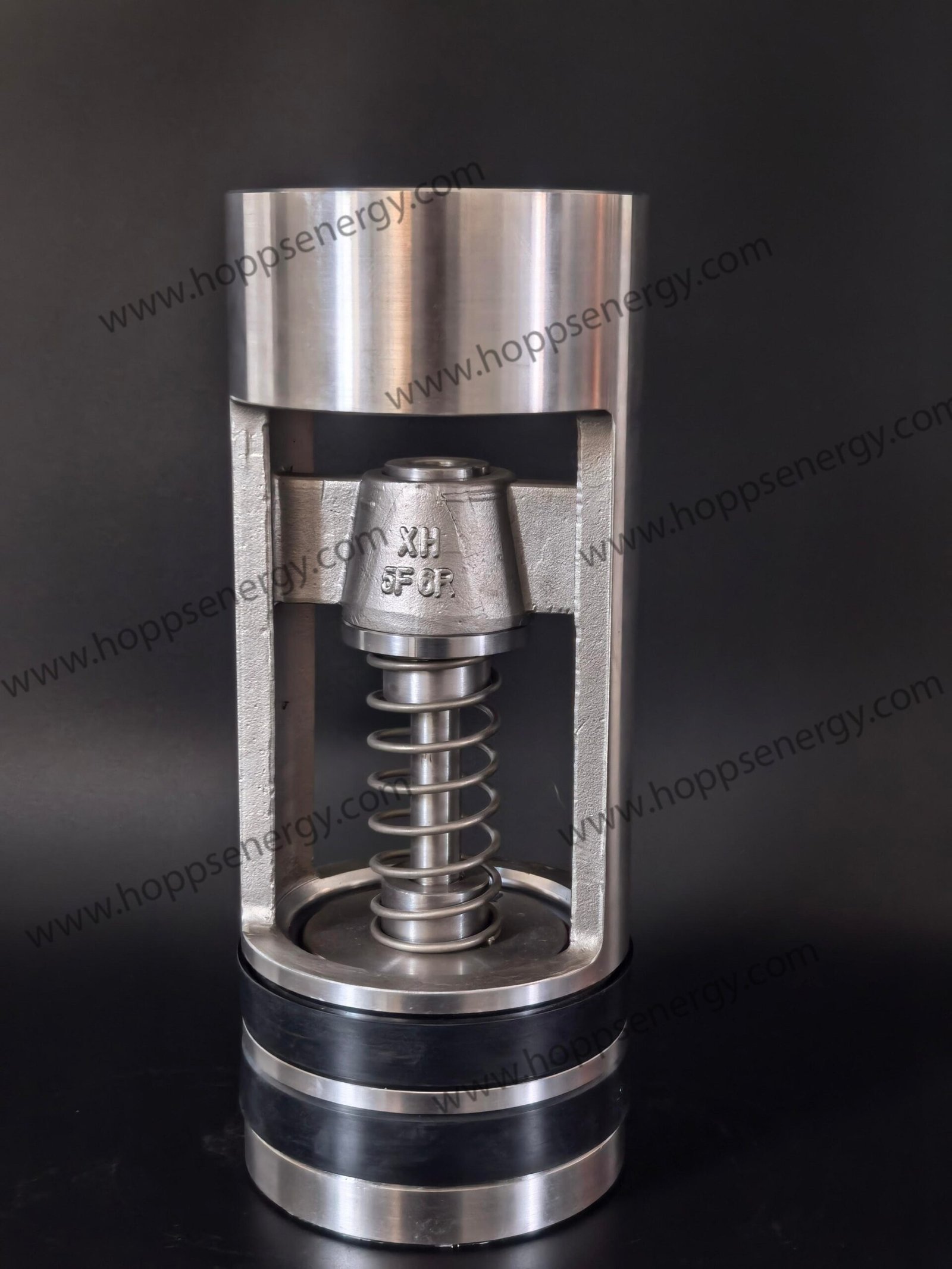
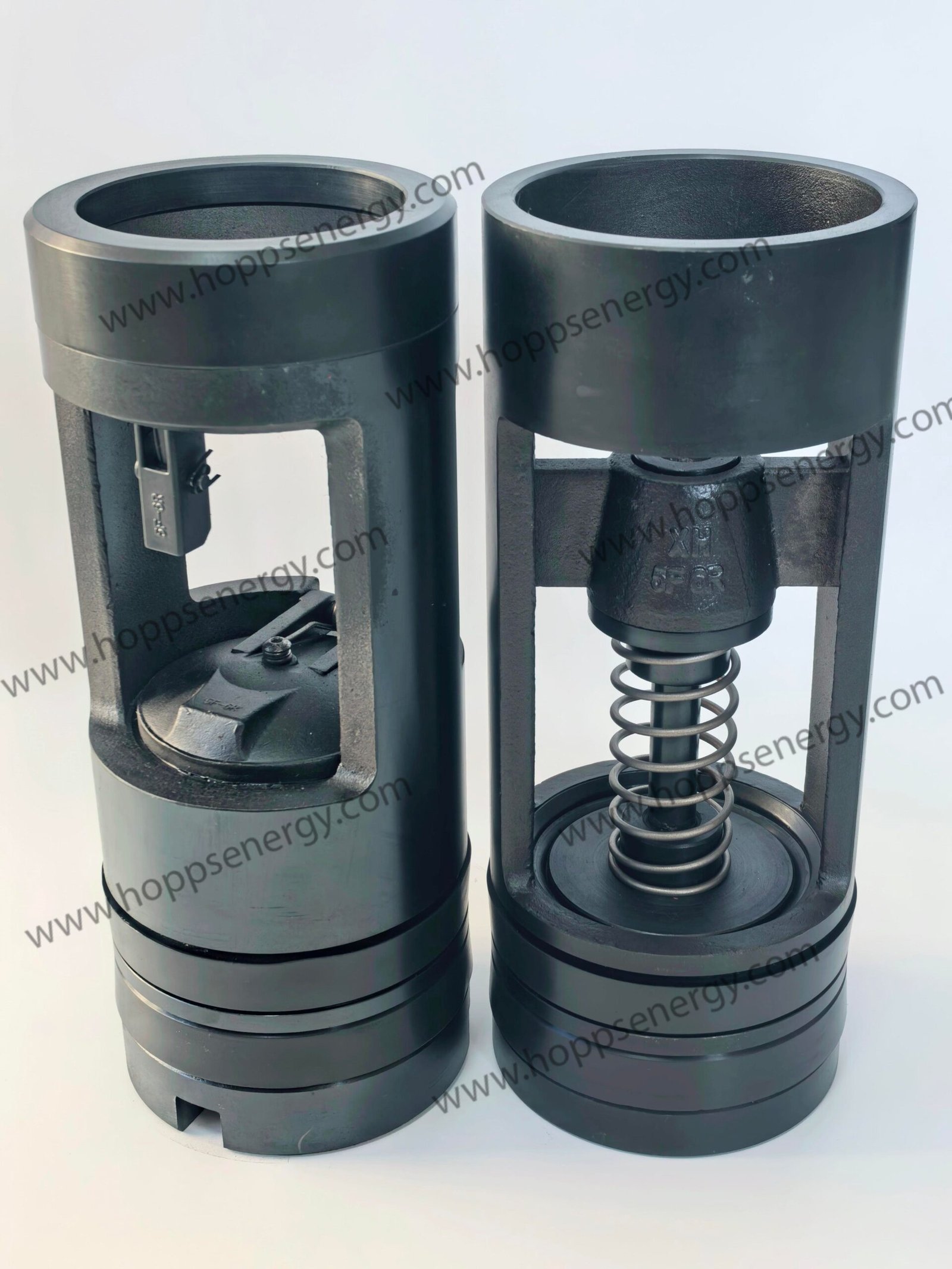
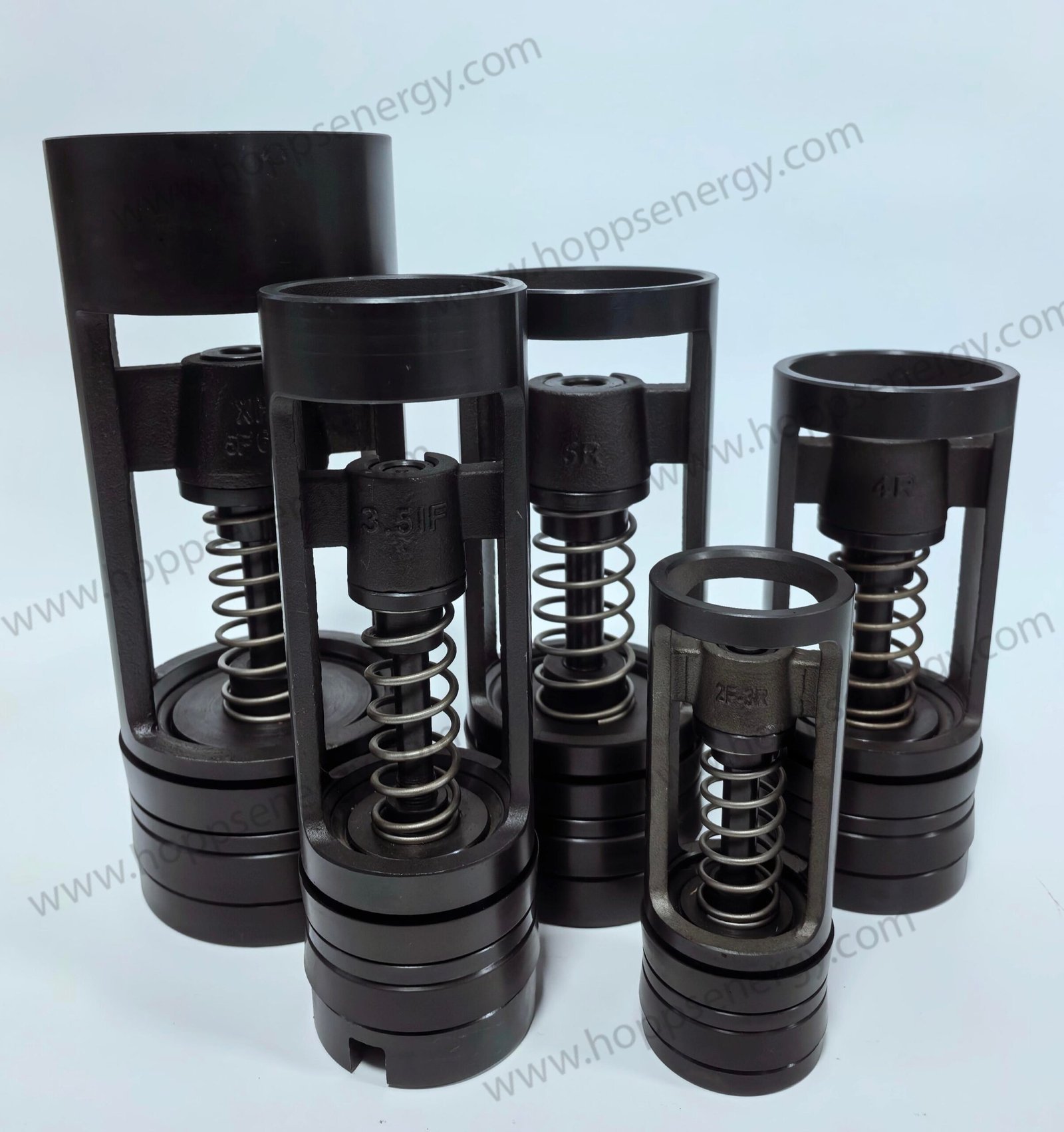
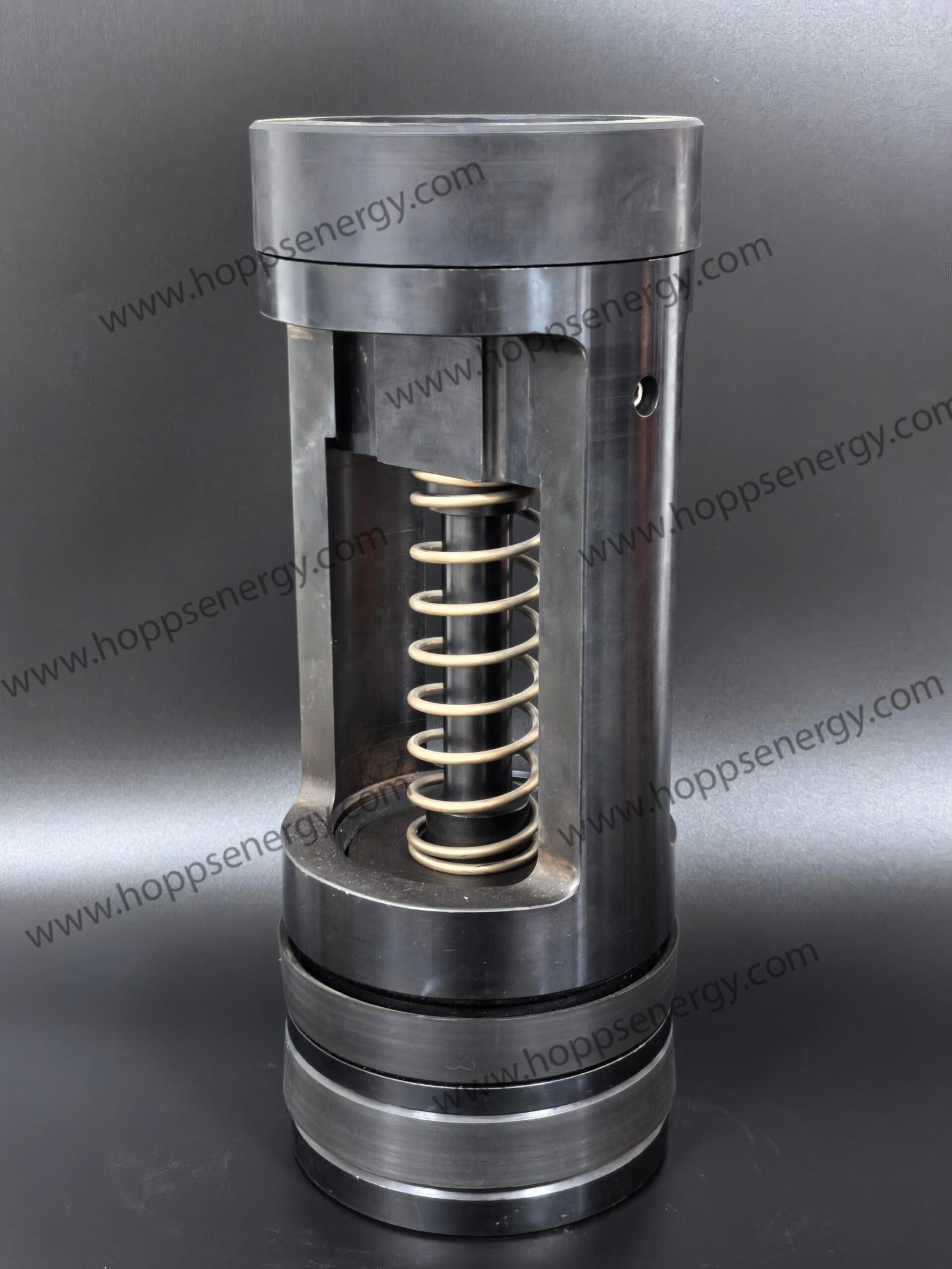
Description
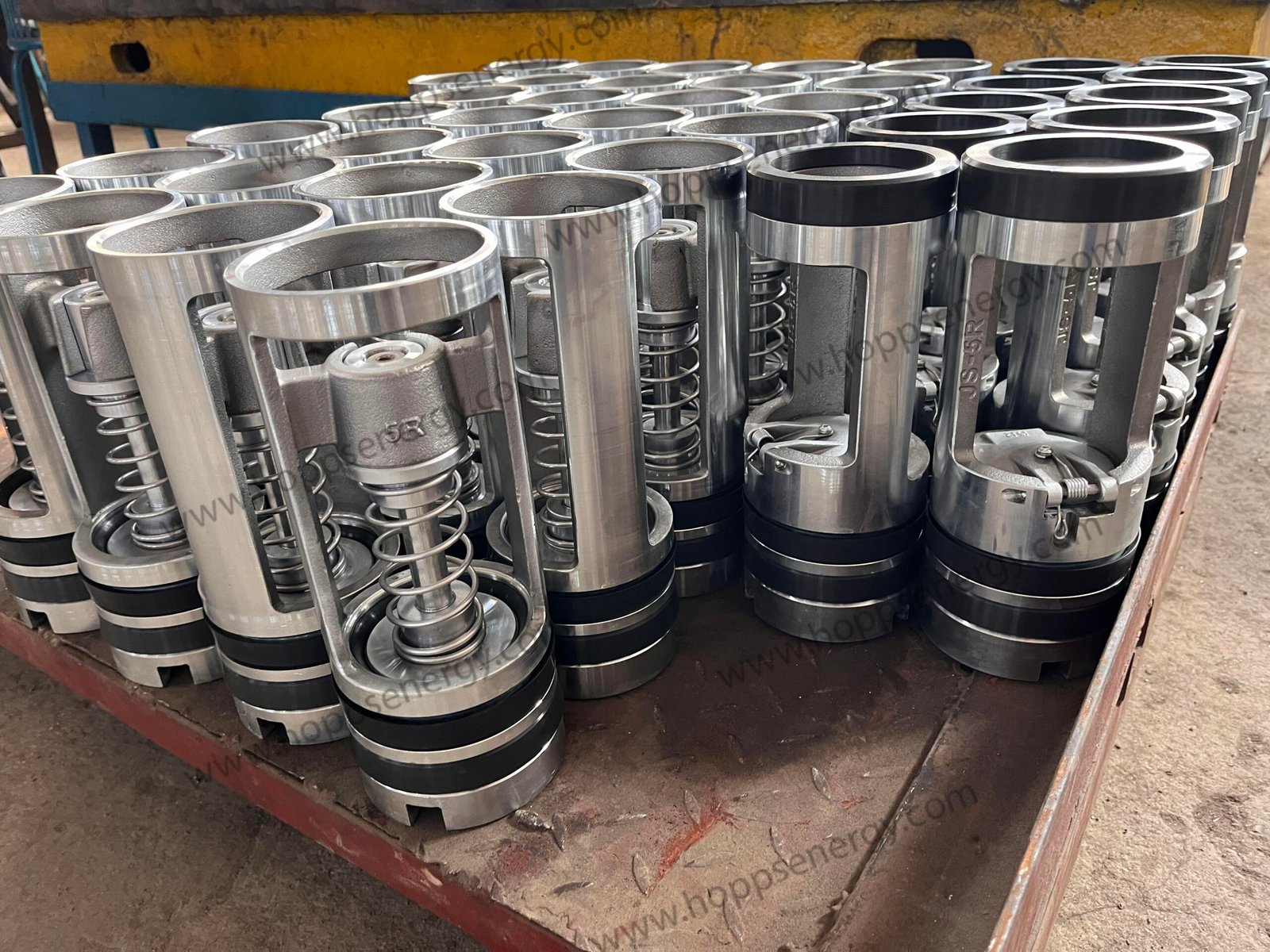
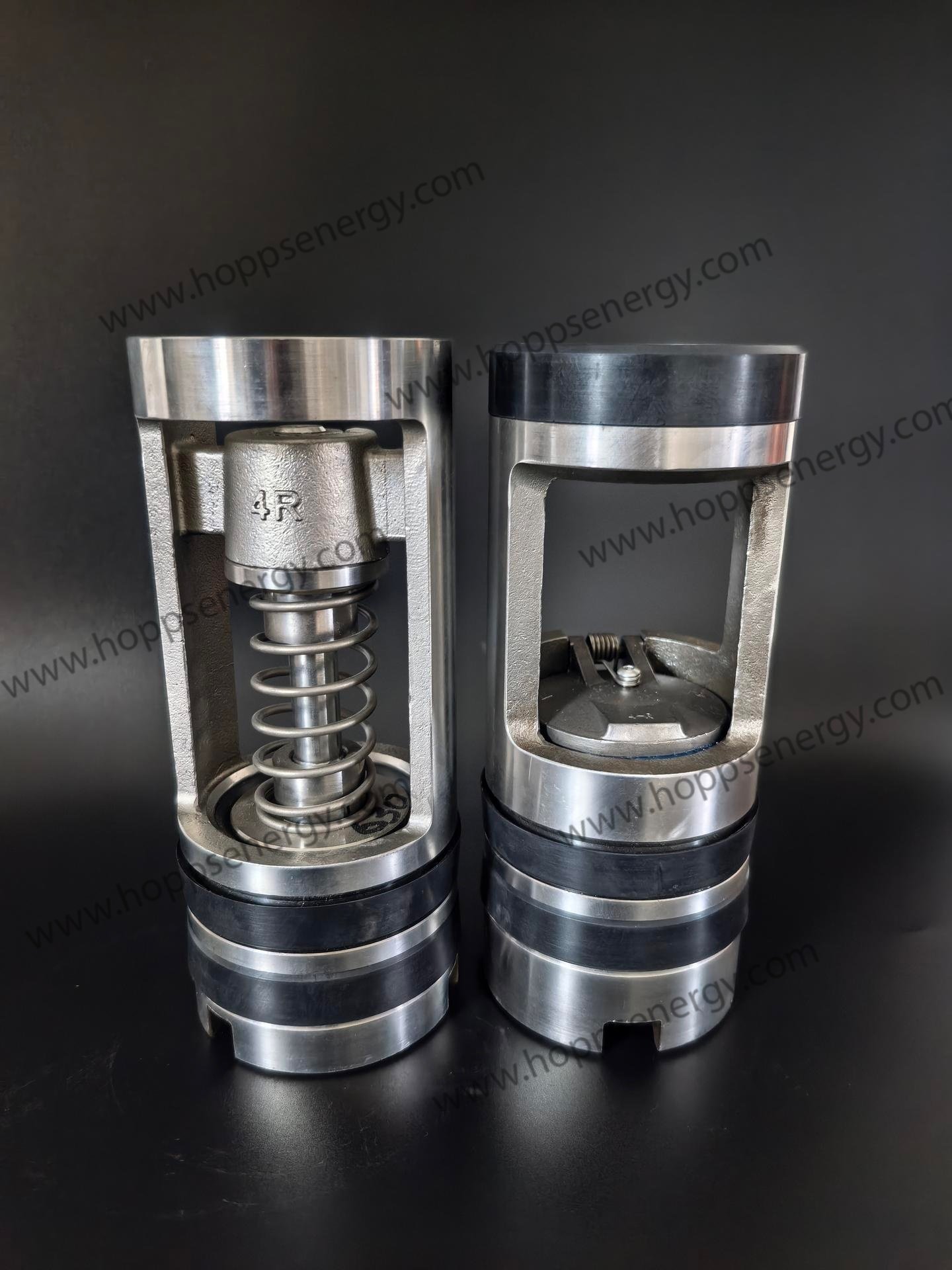
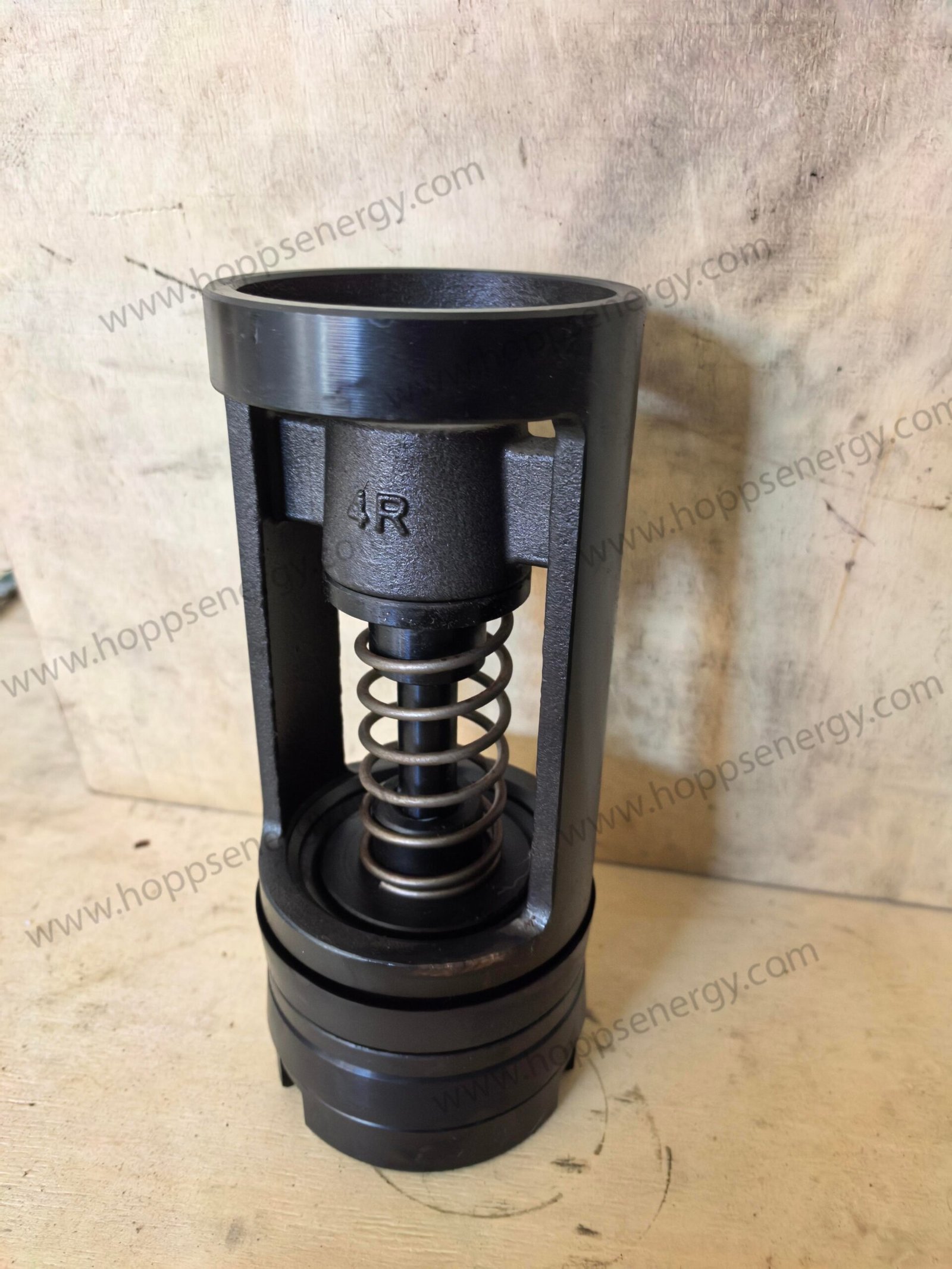
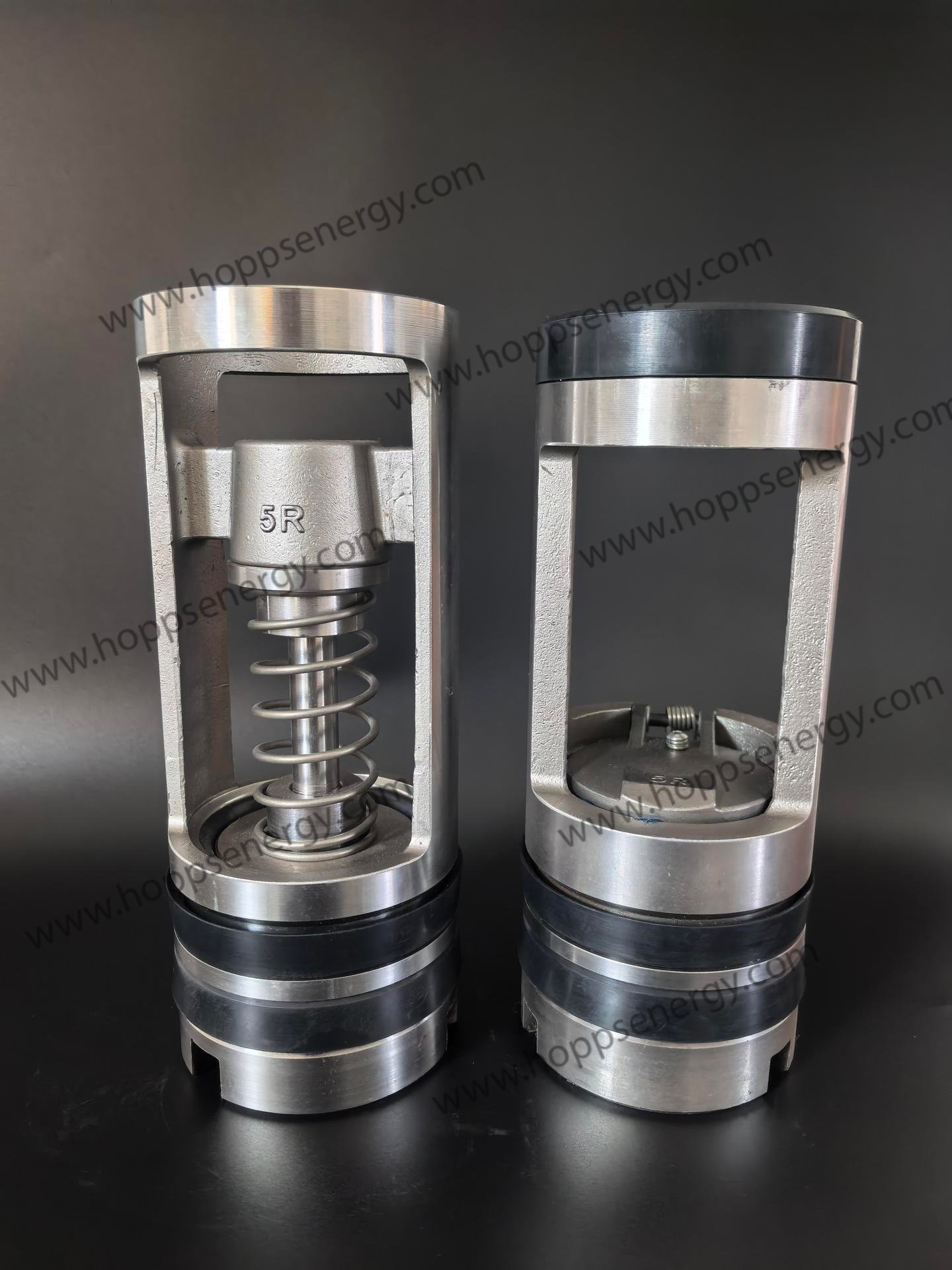
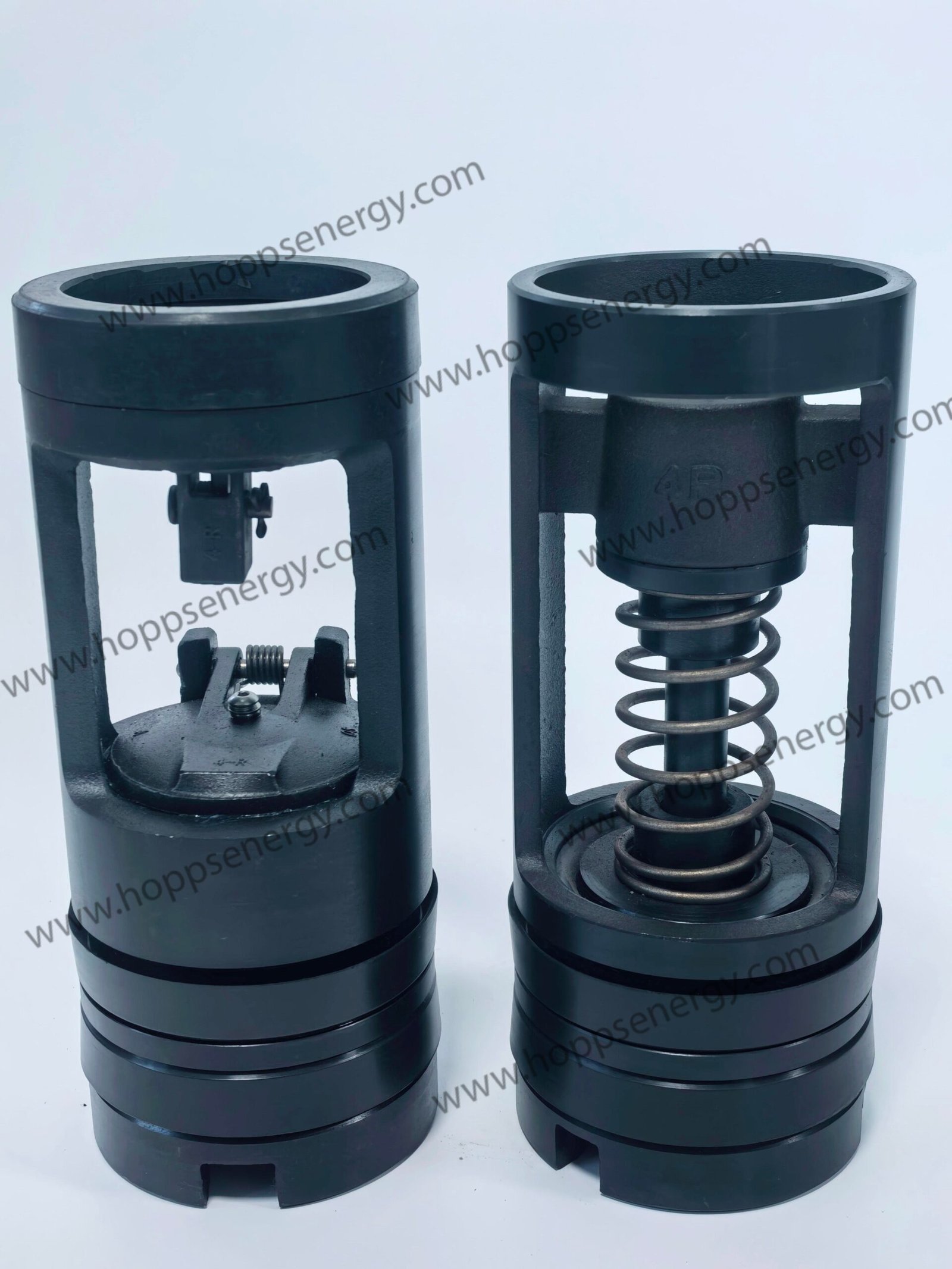
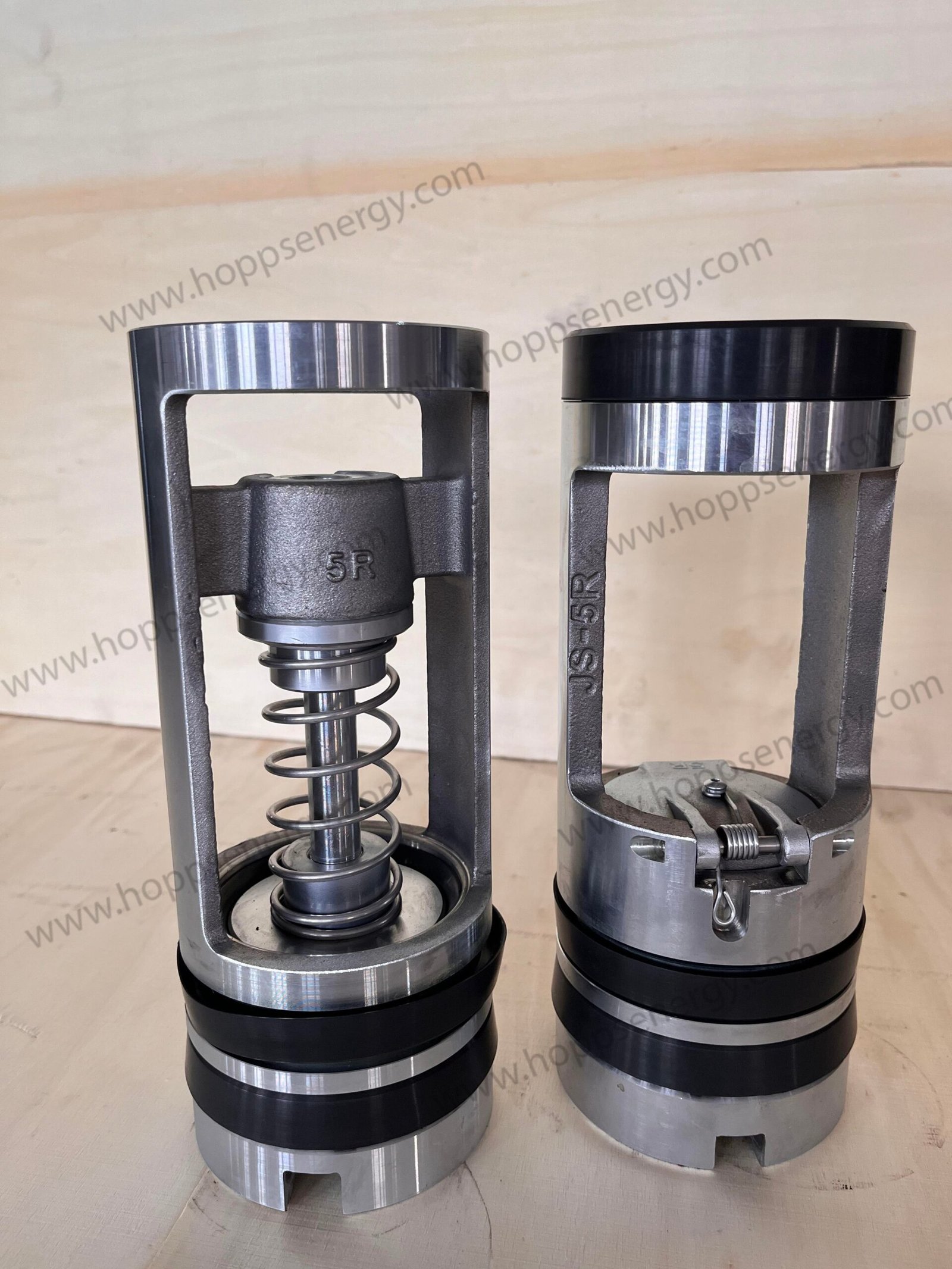
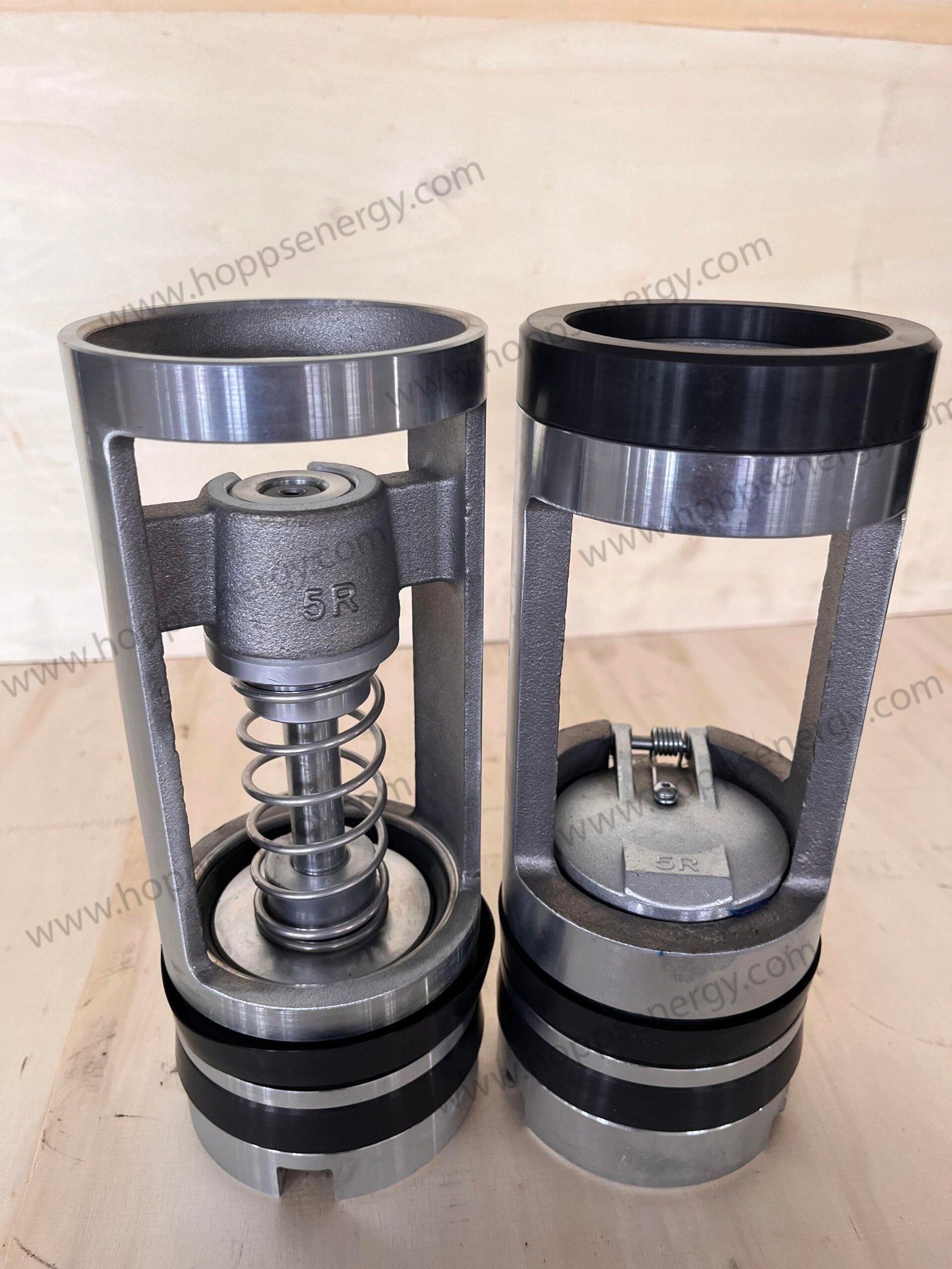
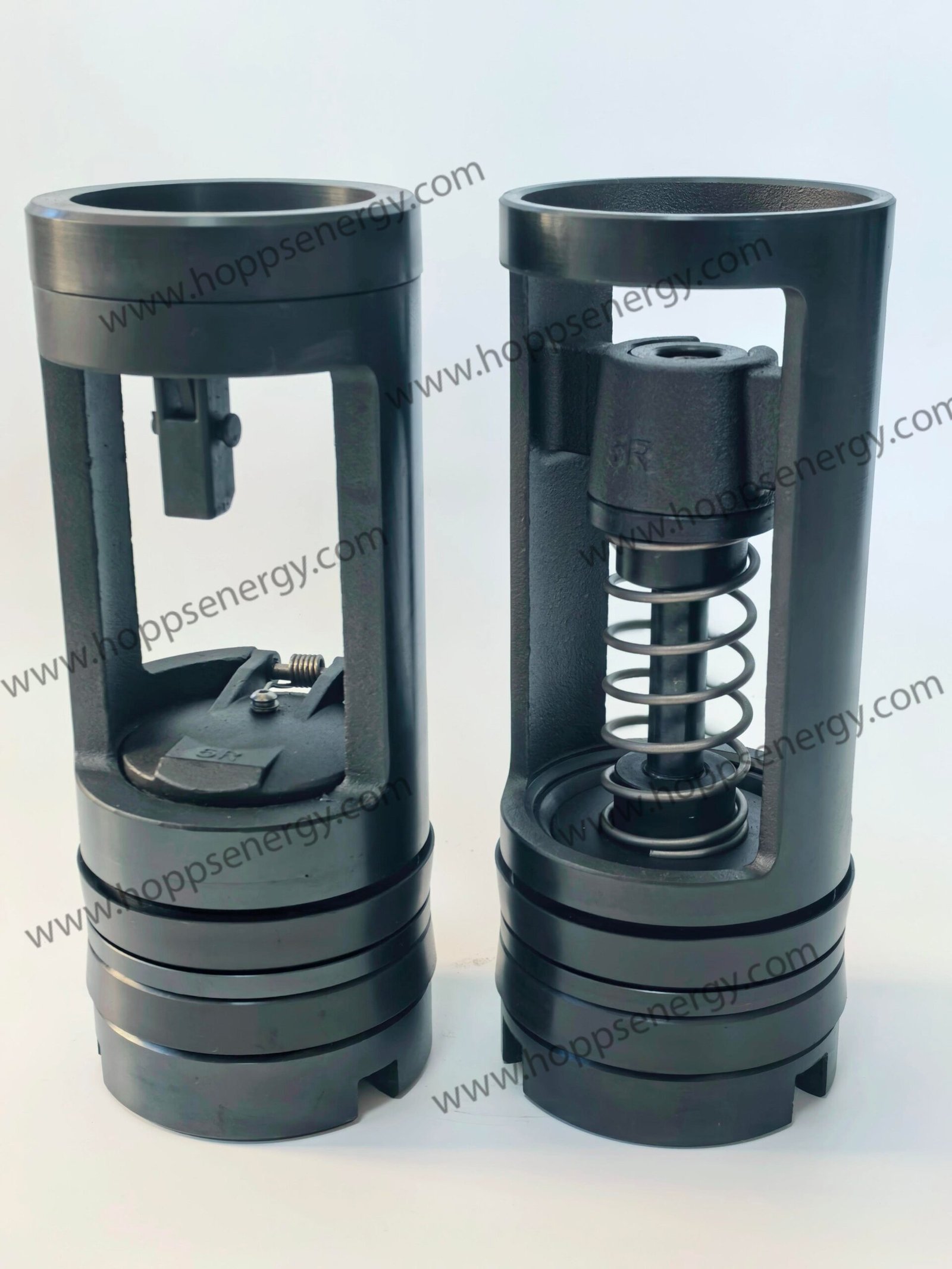
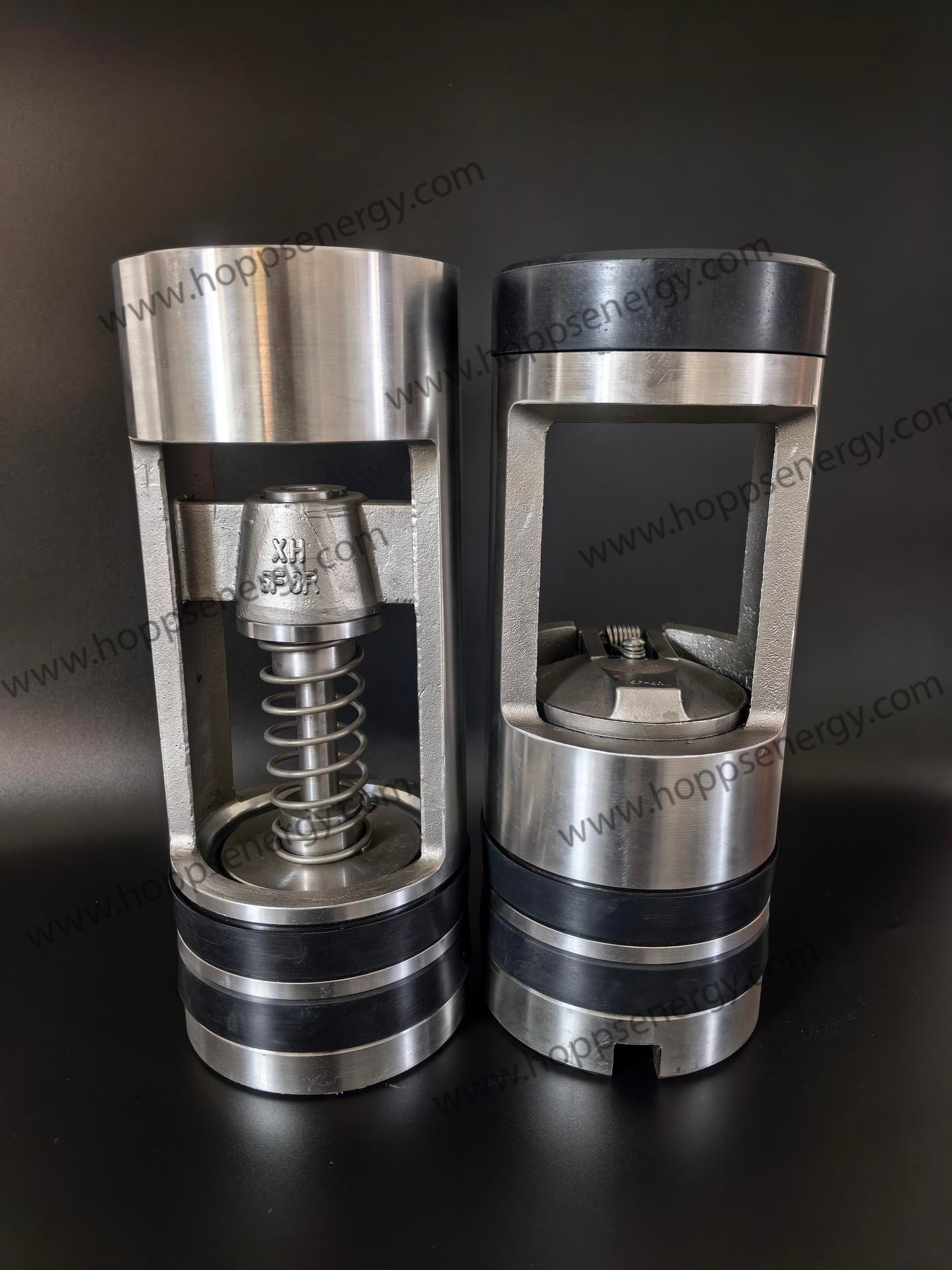
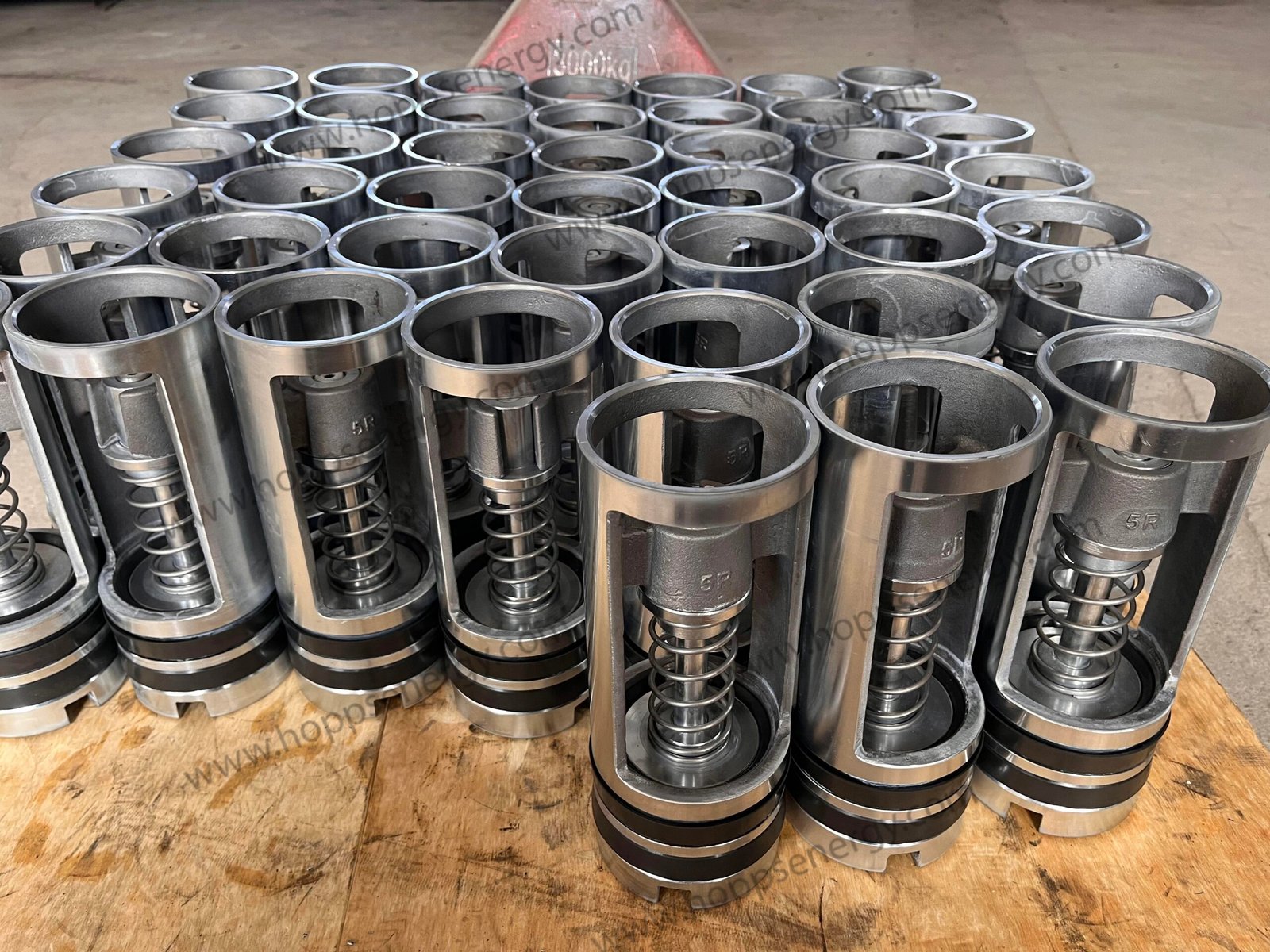
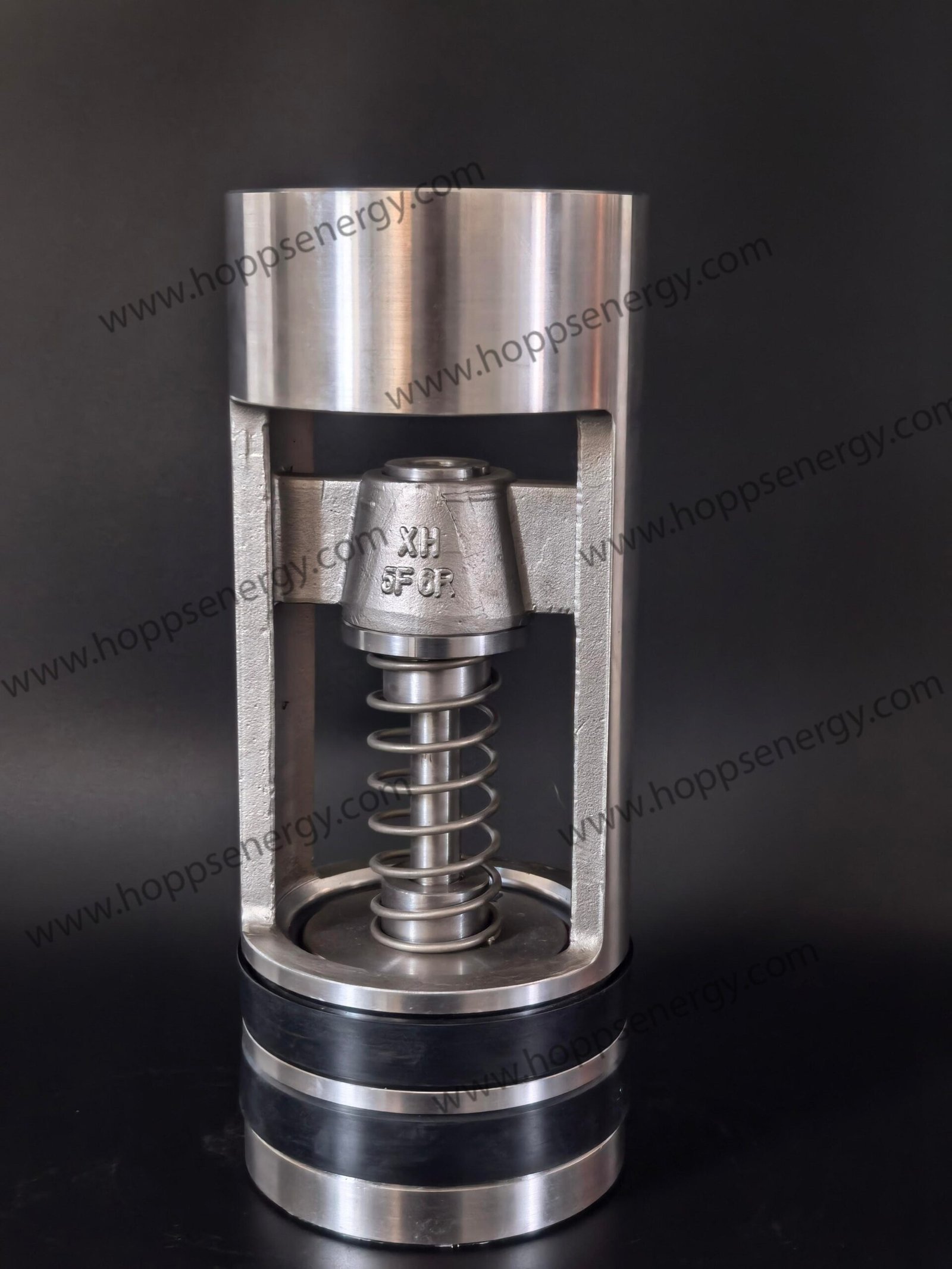
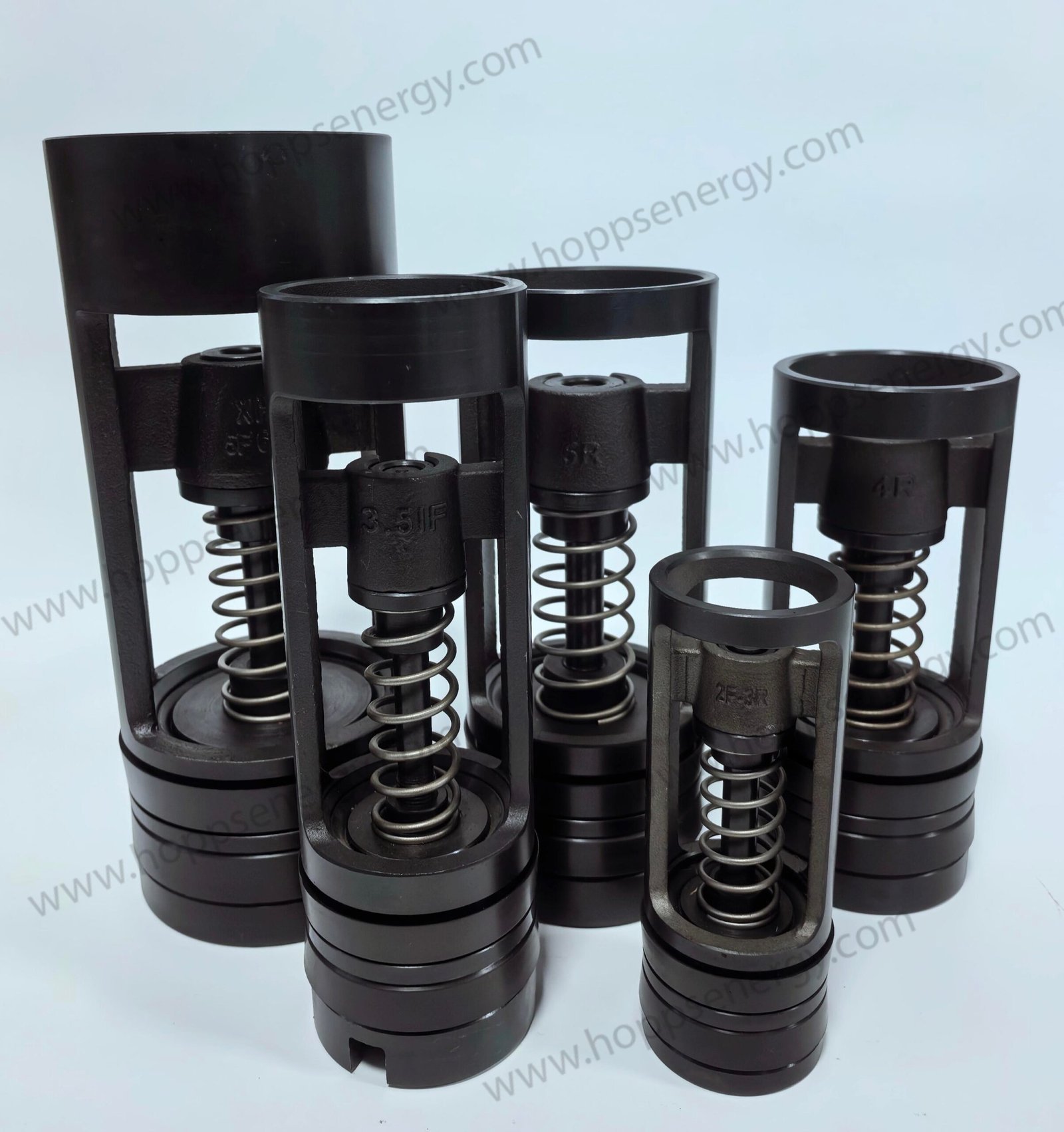
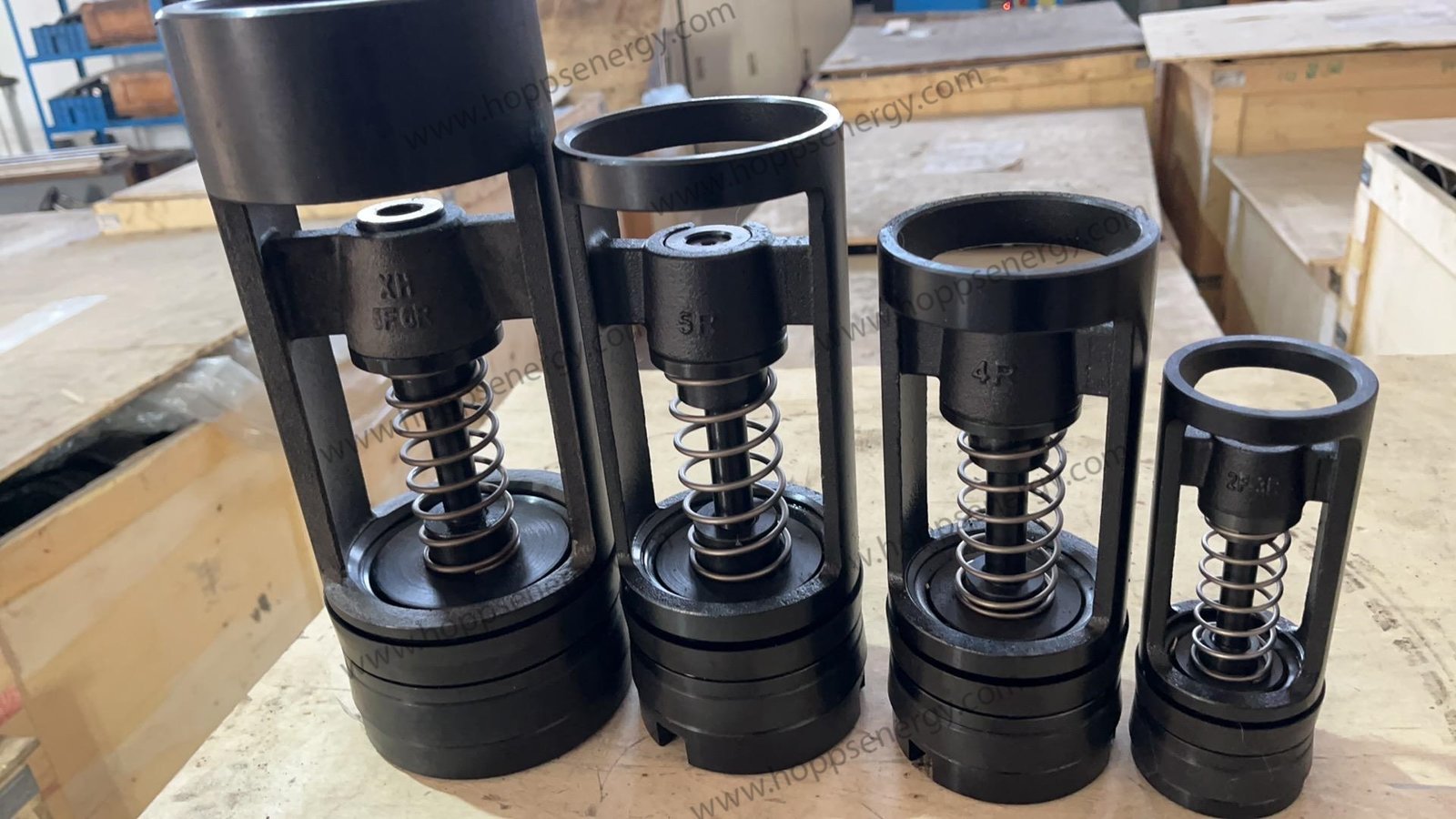
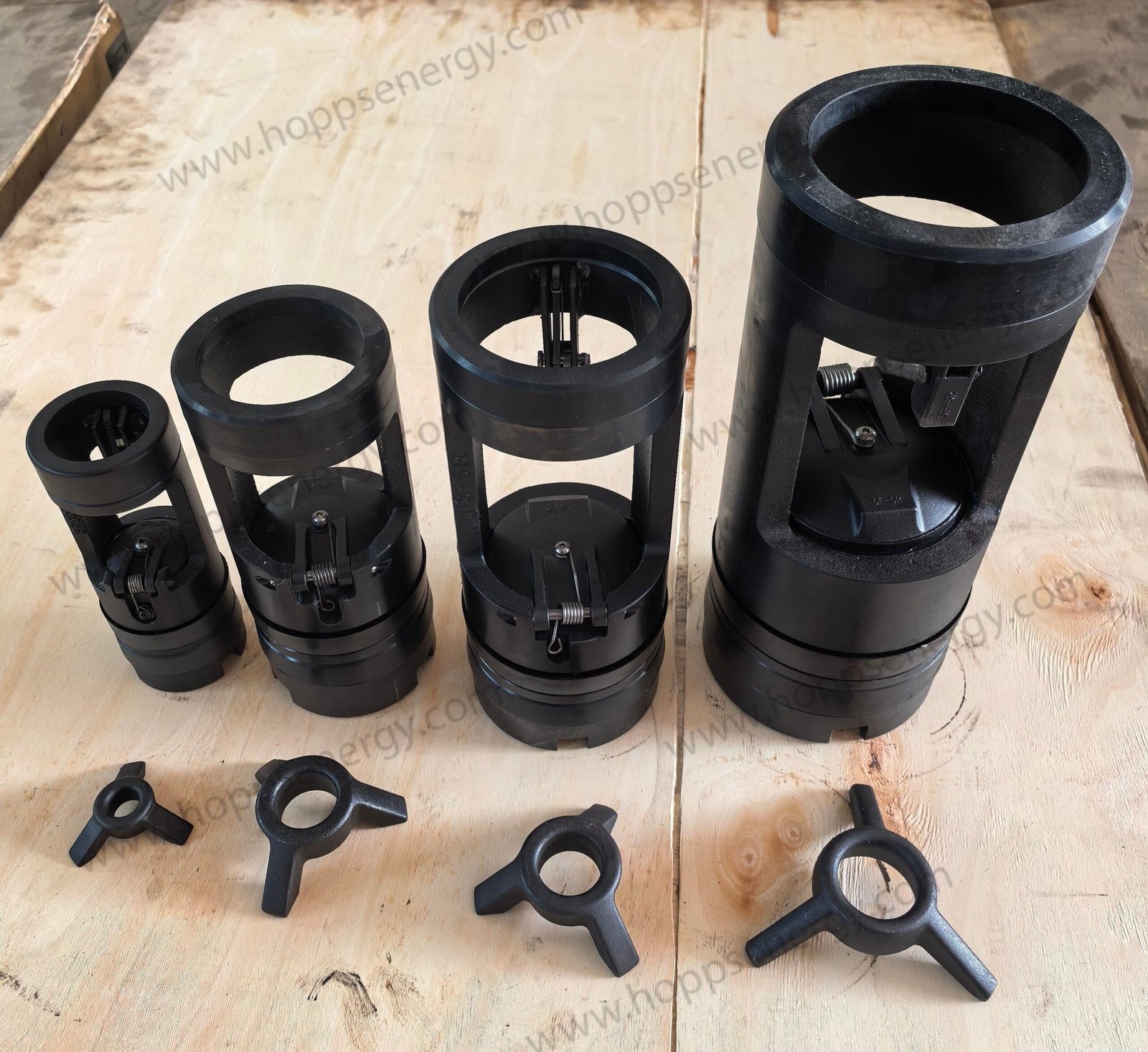
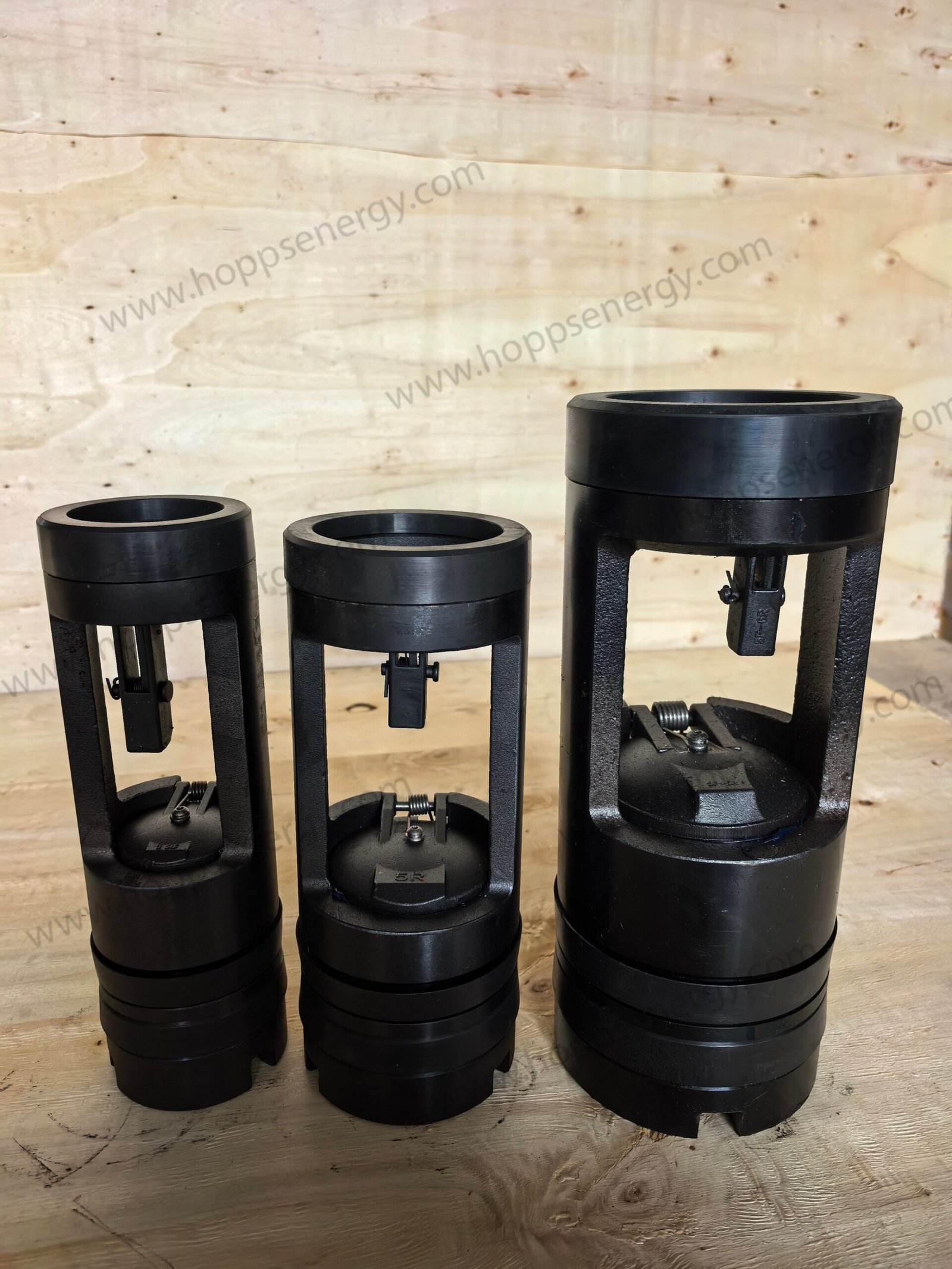
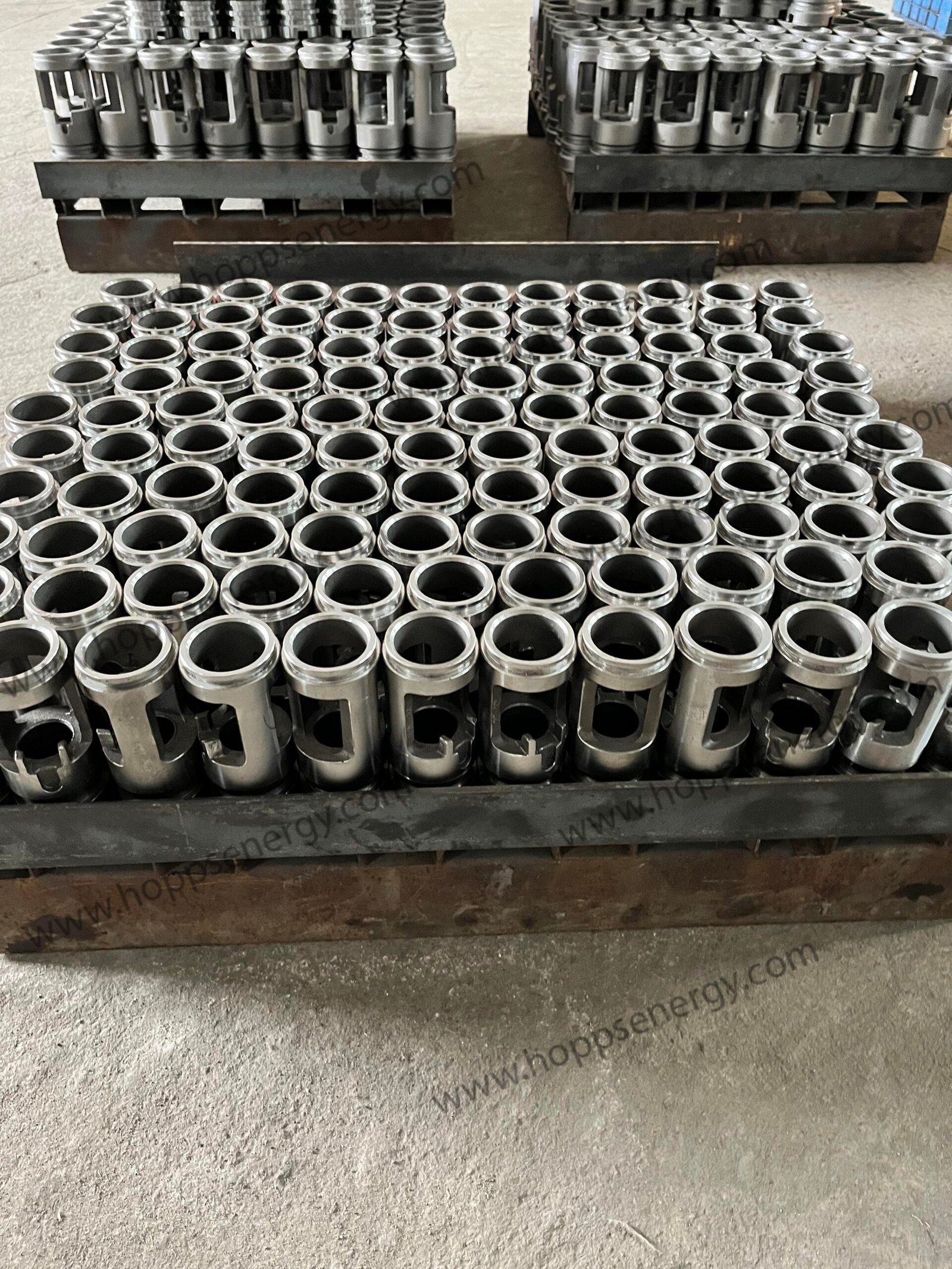
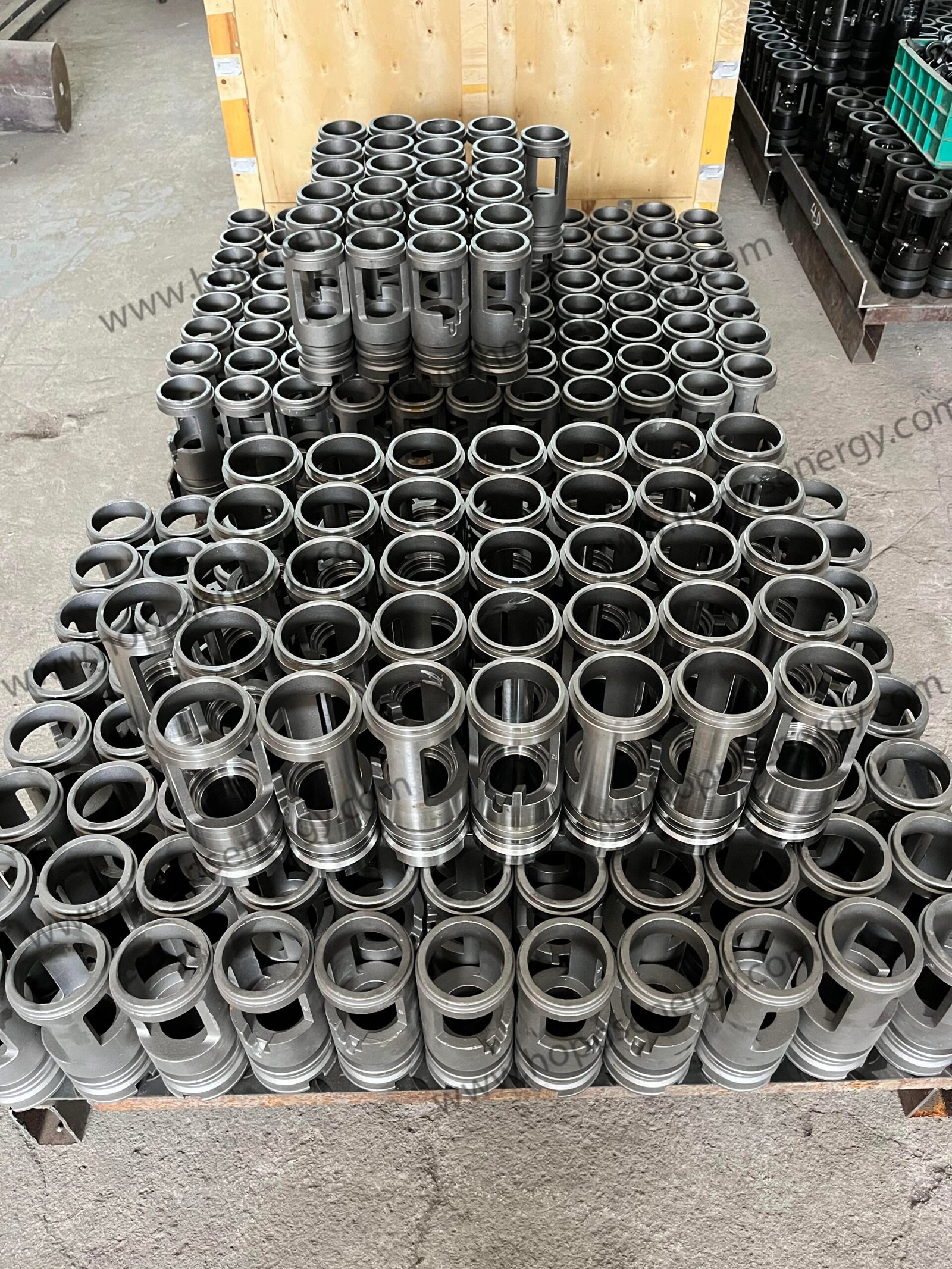
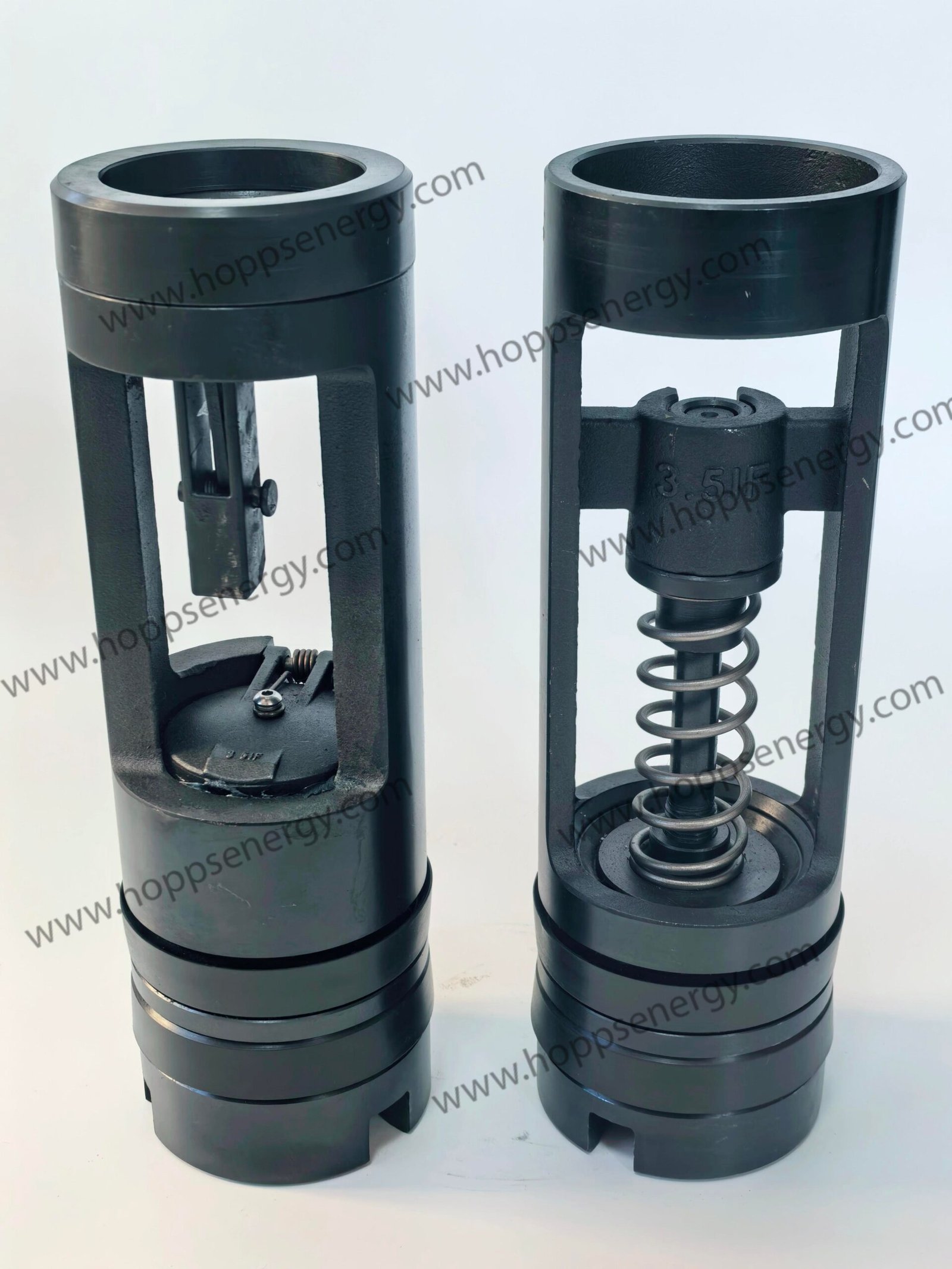
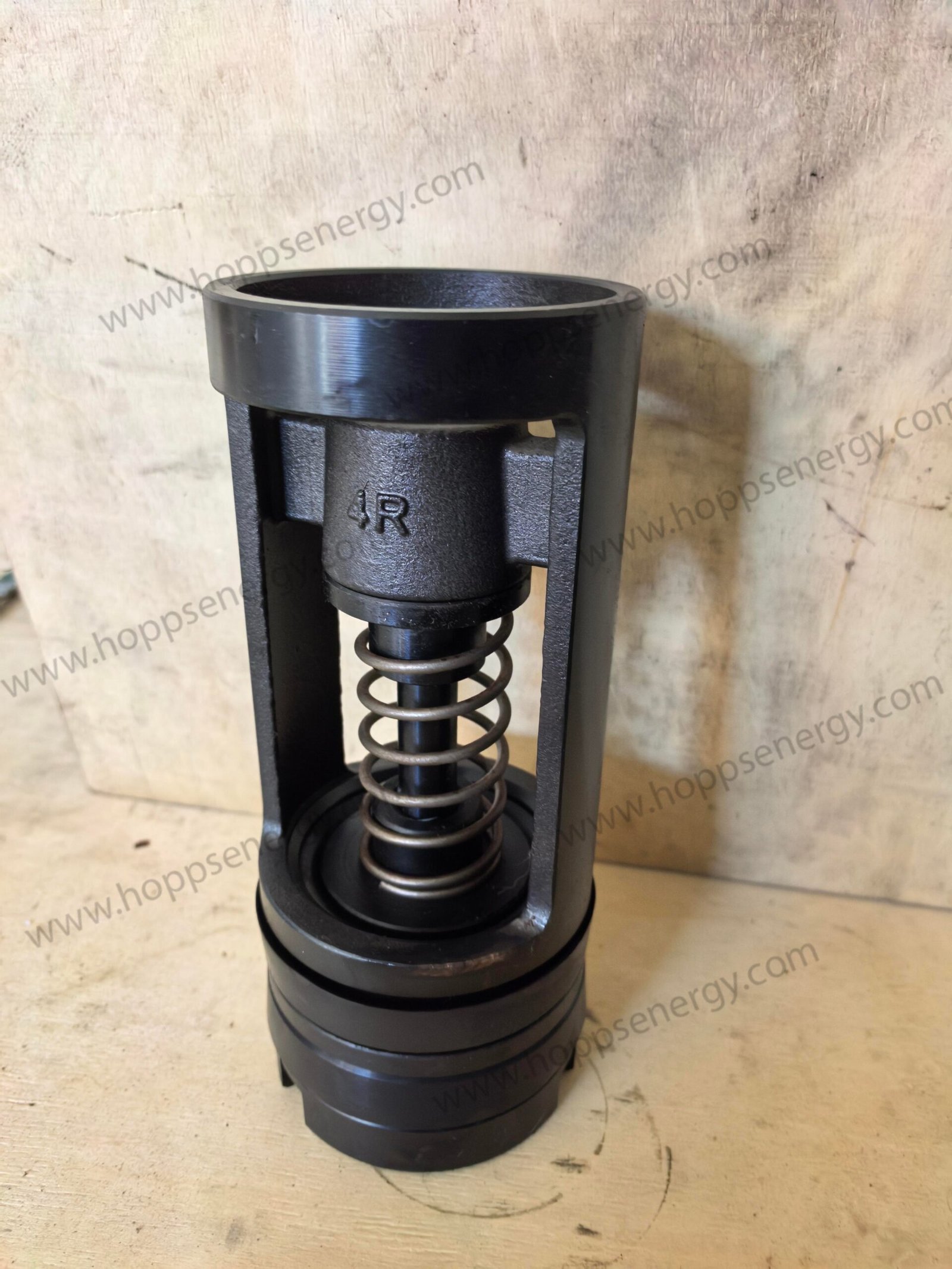
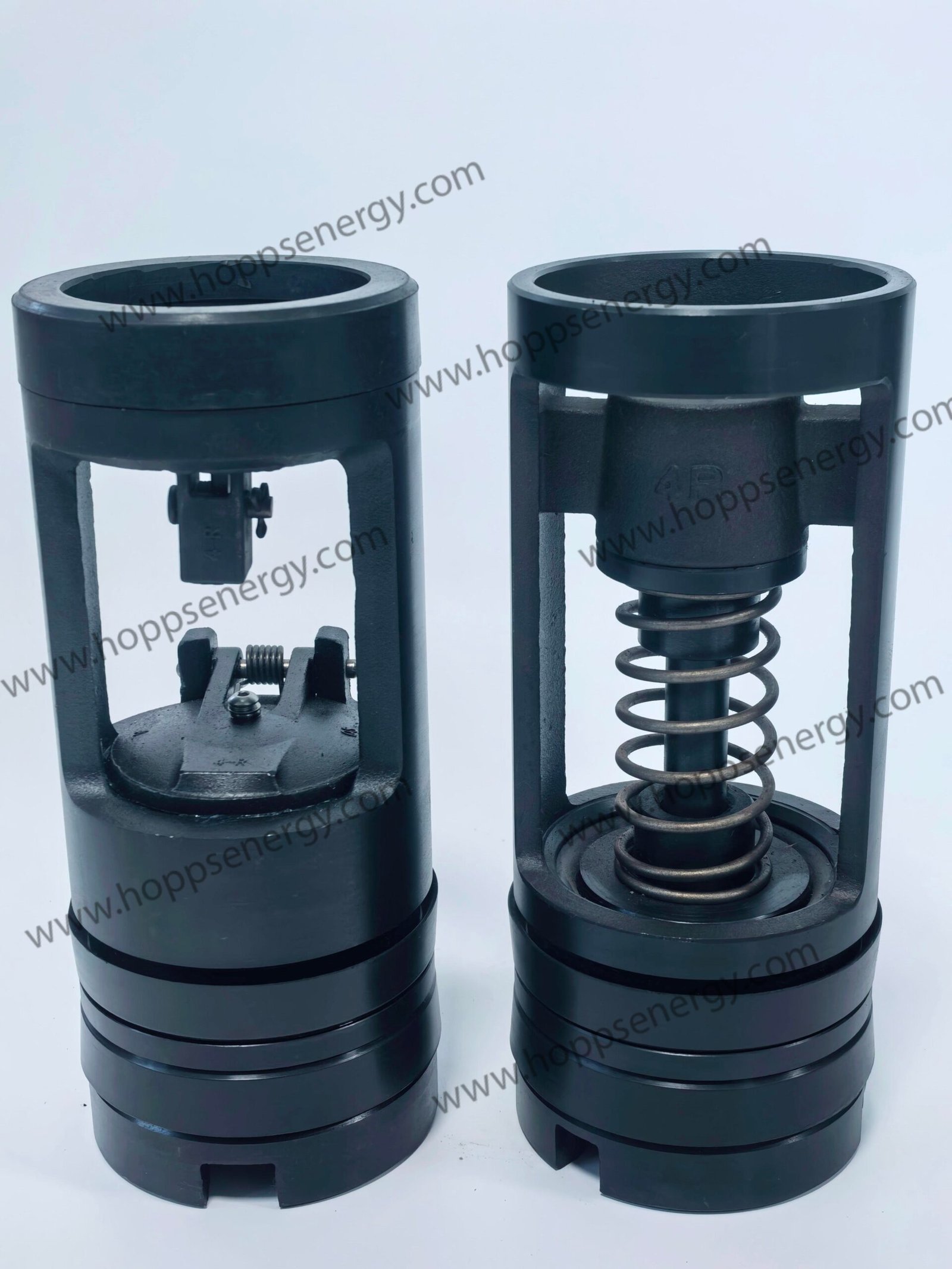
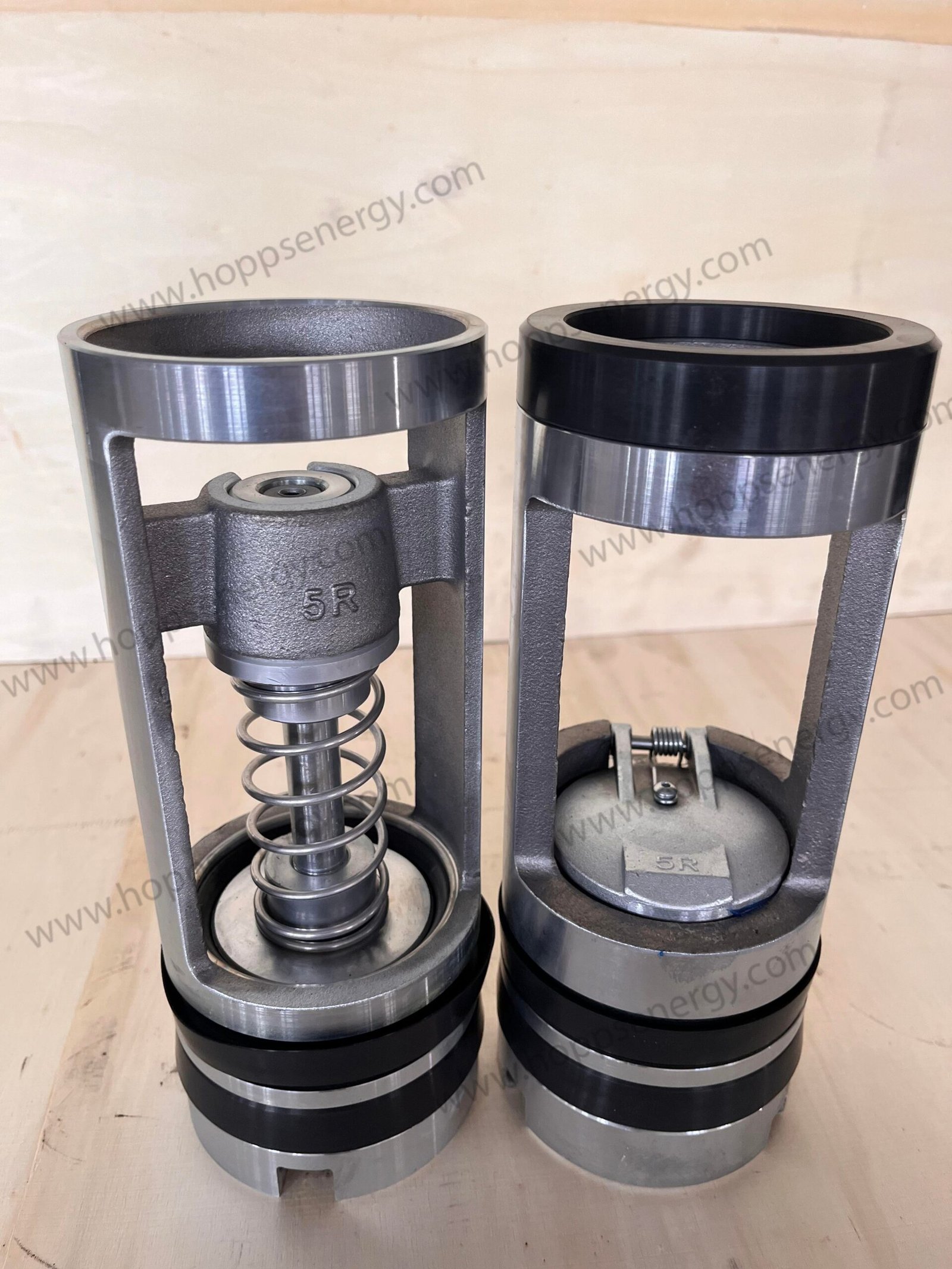
Drill pipe float valves, often referred to as non-return valves, are critical components in drilling operations, particularly in the oil and gas industry. These downhole safety devices play a vital role in controlling the flow of drilling fluids, preventing unwanted backflow, and ensuring safe and efficient operations. As the drilling process continues to evolve, the demand for more reliable and specialized float valves has grown.
Main Functions of a Float Valve:
1. Prevents backflow of drilling mud or formation fluids into the drill string.
2. Maintains pressure control during connections and bit trips.
3. Improves well control by reducing the risk of kick or influx when pumps are off.
4. Minimizes mud spillage during pipe disconnection at surface.
5. Helps during float drilling, reducing the hydrostatic pressure at the bit.
Placement in the Drill String:
-Installed in a float sub just above the bit or in the bit itself if compatible.
-It can be retrievable or non-retrievable depending on the design and drilling program.
Operational Considerations:
-Pressure Drop: Causes a slight pressure drop in the circulation system.
-Stuck Valve: Valves may stick open or closed due to solids or debris.
-Maintenance: Requires regular inspection and cleaning.
-Compatibility: Must be compatible with downhole tools like MWD/LWD if present.
What is a Drill Pipe Float Valve?
A drill pipe float valve is a safety valve designed to prevent the backflow of drilling fluids into the drill string when connections are being made or broken. Essentially, it functions as a one-way valve, ensuring that fluid flows in one direction — from the wellbore to the surface — and prevents reverse flow, which could be dangerous to the crew or lead to inefficiencies.
Float valves are positioned near the bottom of the drill pipe and are activated as the pipe is lowered into the wellbore or raised from it. They are designed to lock in place and prevent unwanted fluid flow, especially when the rig crew is making or breaking connections. Without these valves, uncontrolled fluid flow could occur, leading to hazardous situations such as fluid loss or environmental contamination.
Applications of Drill Pipe Float Valves
In the oil and gas industry, drilling operations are complex and often carried out under extreme pressure and challenging conditions. Drill pipe float valves are essential in preventing backflow and ensuring that the rig crew can work safely and efficiently. They are most commonly used in the following applications:
- Drilling Operations: Float valves prevent backflow when connections are made or broken during drilling operations. This ensures that the drilling fluid stays in place, preventing issues like fluid loss or contamination.
- Cementing Operations: During cementing, float valves help to maintain a steady flow of fluid and ensure that cement is pumped efficiently into the wellbore, preventing the cement from flowing back into the drill string.
- Well Control: Float valves are crucial in maintaining well control by ensuring that fluids do not flow back into the wellbore during rig operations, reducing the risk of a blowout or other dangerous events.
- Corrosive and Abrasive Environments: Certain models of float valves are designed specifically for use in wells with highly corrosive or abrasive drilling fluids. These valves can withstand harsh conditions, maintaining the integrity of the drilling operation.
9 Types of Drill Pipe Float Valves
Drill pipe float valves come in various models, each designed to meet the specific needs of different drilling environments and applications. Below is a comprehensive list of nine different types of float valves, with a breakdown of their key features:
Model F Plunger Type Valve
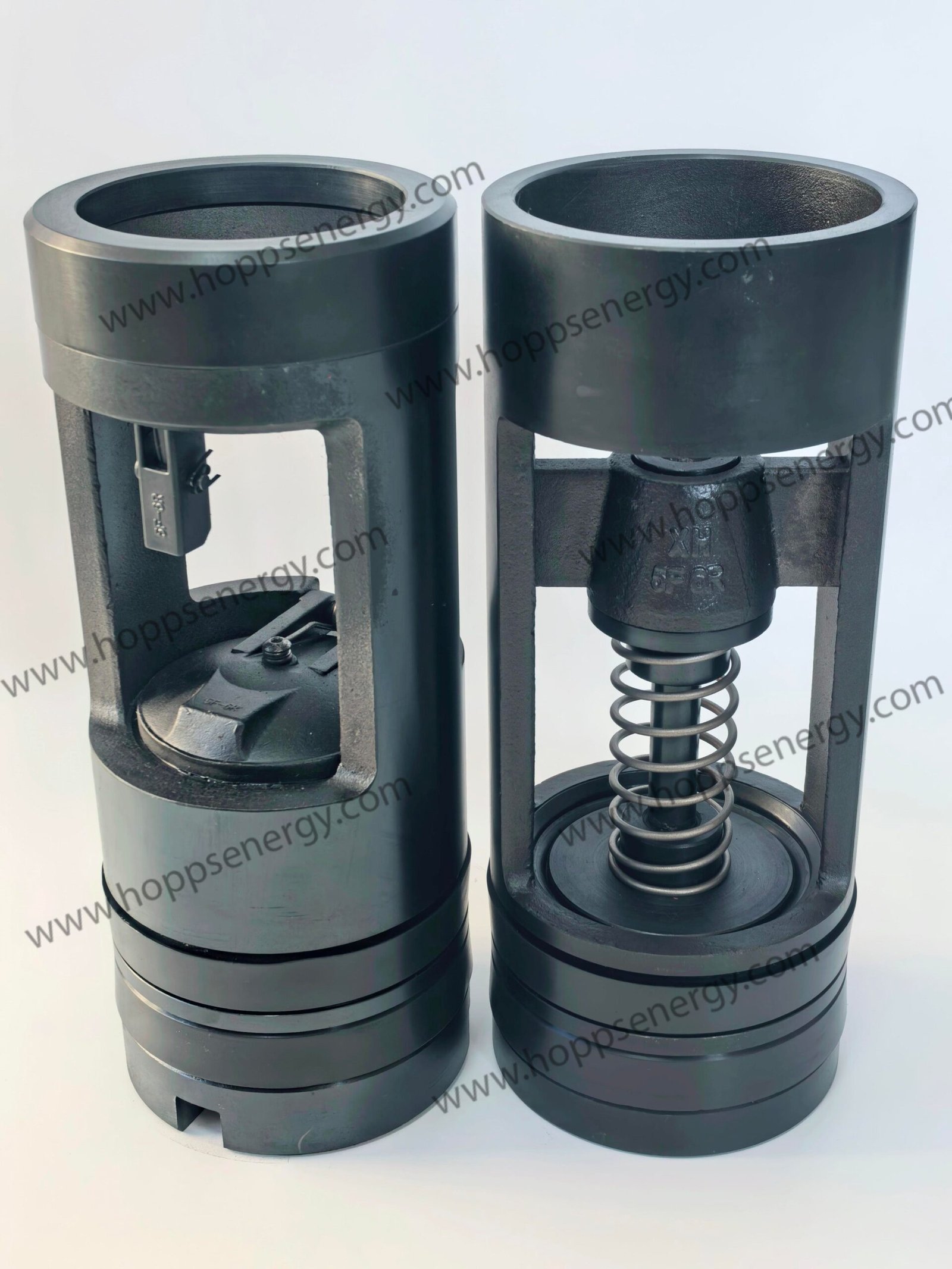
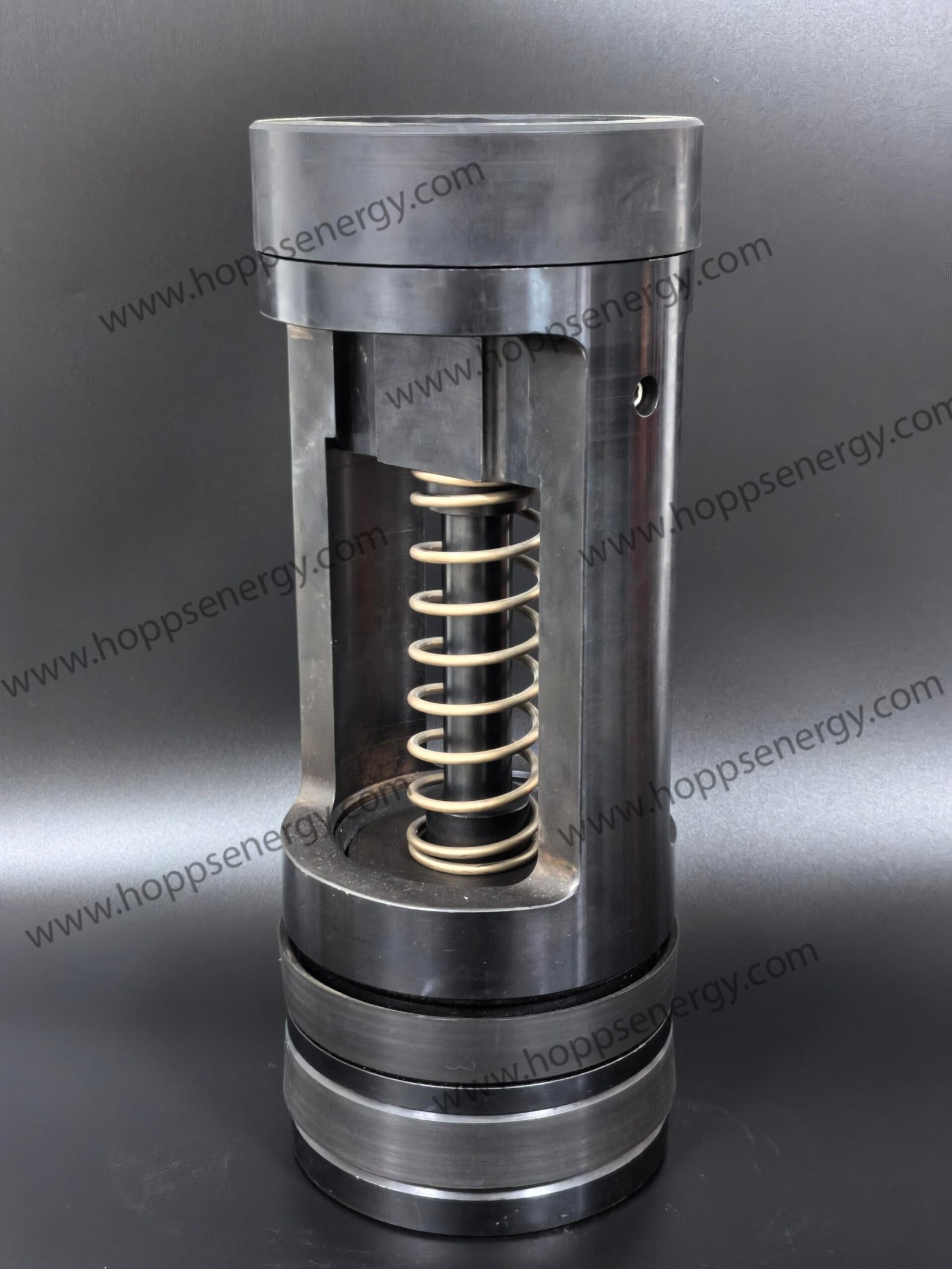
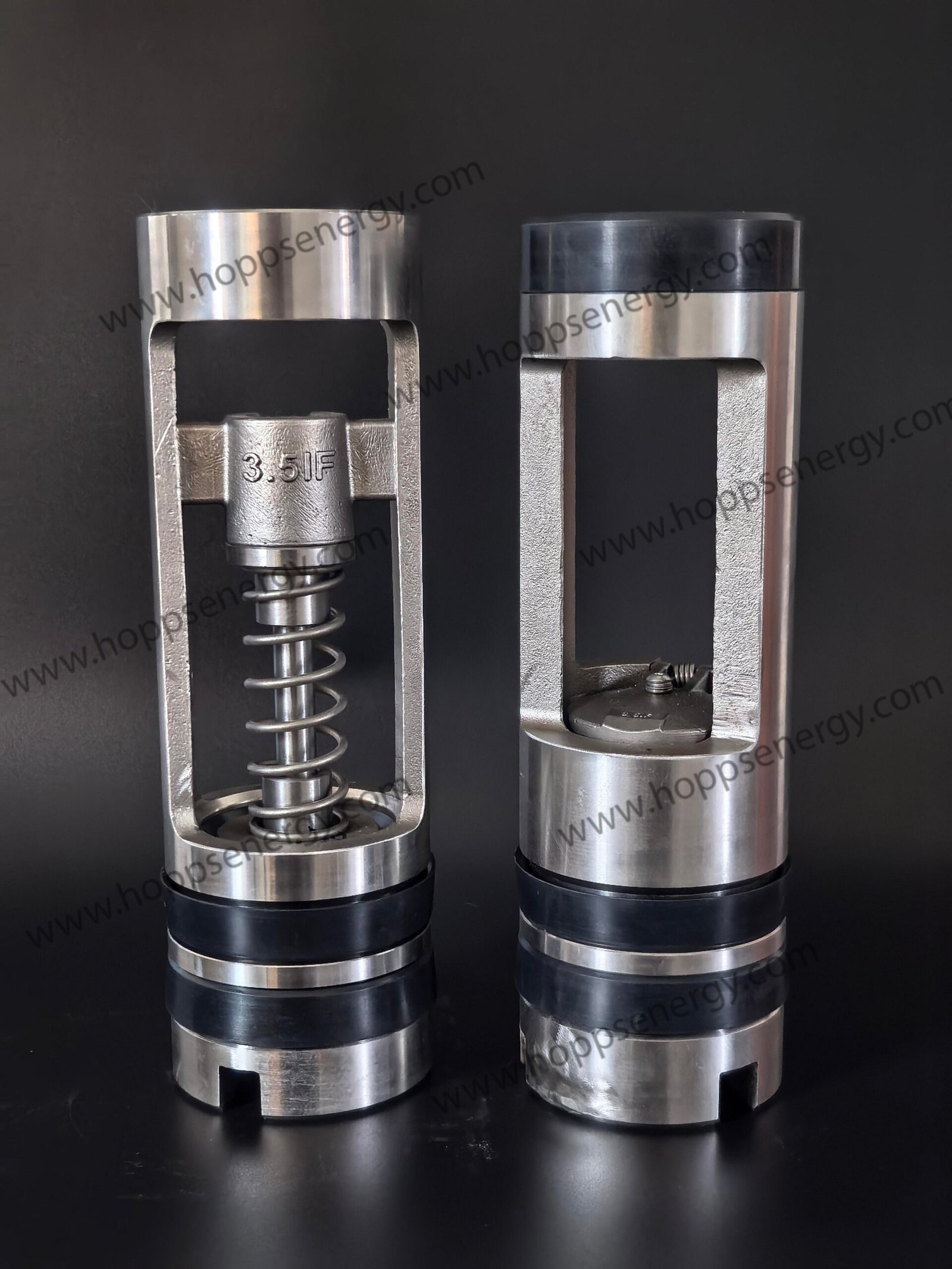
The Model F Plunger Type Valve provides an instant shutoff feature using a piston to provide a reliable and economical way to stop flow-back. This model is ideal for standard drilling operations, offering positive shutoff during connections and consistent fluid control. The valve is especially beneficial during routine operations when preventing backflow, which is critical for safety and efficiency.
Model FA Ported Plunger Type Valve
The Model FA is an enhanced version of the Model F valve featuring a ported piston that allows fluid to pass through the center of the valve. This enables automatic partial filling of the drill pipe during run-in, providing an additional layer of functionality. The valve also allows for gas pressure and differential pressure monitoring at the bit head, making it useful for more advanced operations requiring pressure monitoring.
Model FC Plunger Type Automatic Fill Valve
This model features a distinctive slotted valve stem that keeps the plunger open during the run-in, allowing the pipe to fill from the bottom. This can save time and reduce mess, improving the overall efficiency of the operation. The plunger automatically releases when circulation begins, enabling smooth fluid flow. It is perfect for operations where time savings and efficiency are essential.
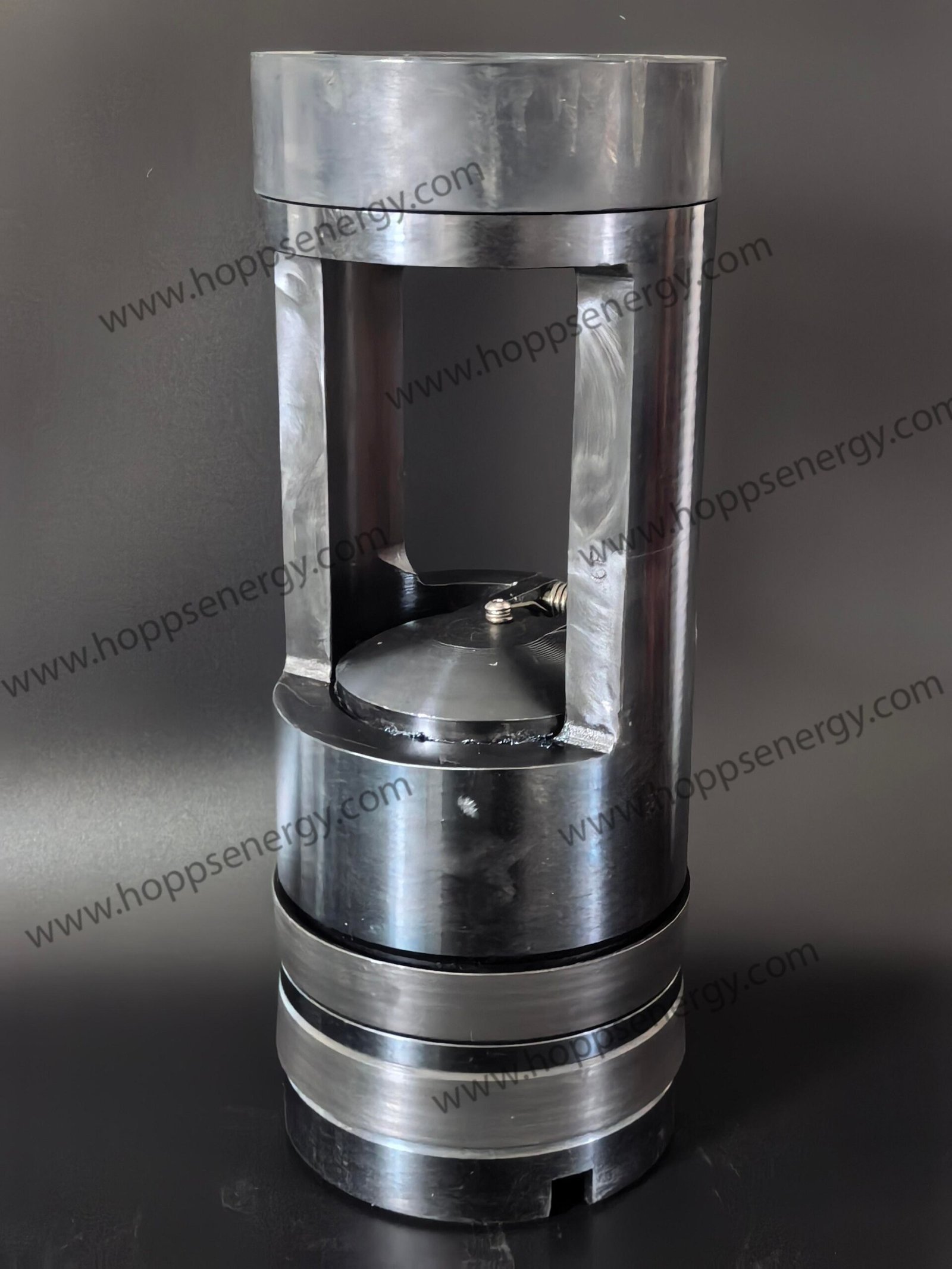
Model G Full Flow Flapper Type Valve
The Model G is designed for use with particularly abrasive drilling fluids, making it ideal for harsh conditions. The valve features an investment-cast flapper that allows for full, unobstructed flow and a quick-opening mechanism that prevents shavings from entering the drill string when circulation stops. Additionally, the valve fully opens when the first joint is raised, preventing the pulling of wet joints.
Model GA Flapper Type Valve
The Model GA is similar to the Model G, but with a quarter-inch carbide or tungsten-carbide orifice that makes the flapper ported. This ported flapper enables differential pressure monitoring at the surface and allows for partial automatic filling of the drill pipe during run-in. It combines the benefits of the Model G with the added feature of pressure monitoring, making it suitable for more complex operations.
Model GC Automatic Fill Flapper Type Valve
The Model GC incorporates a self-releasing key assembly that keeps the flapper partially open during the run-in, allowing the pipe to fill from the bottom. Like the Model FC, this saves time and reduces the risk of spills or environmental hazards. The valve fully opens when the first joint is raised, preventing wet joints and ensuring safe and clean operations.
Model GCA Automatic Fill/Pressure Monitoring Flapper Type Valve
The Model GCA combines the features of the Model G, GC, and GA valves. It offers an unobstructed bore through the valve, measures differential pressures, and allows for automatic partial filling of the drill pipe during run-in. This valve is ideal for complex operations where both fluid control and pressure monitoring are required.
Model GS – Flapper Type High Flow Valves
The Model GS is designed for high-flow, corrosive wells. It features a cage designed to maximize the flow through the valve while maintaining pressure ratings. The flapper is equipped with a relief groove and a safeguard pocket to protect against wear caused by harsh, corrosive environments. The GS valve is stackable, allowing two valves to be run simultaneously, making it highly versatile for high-flow applications.
Model GAS – High Flow Pressure Monitoring
The Model GAS is similar to the GS but with an added tungsten-carbide insert in the flapper valve. This insert provides additional wear resistance and ensures the valve can handle the harsh conditions of high-flow corrosive wells. The valve also allows for partial automatic filling of the drill pipe during run-in, further enhancing its functionality in demanding drilling environments